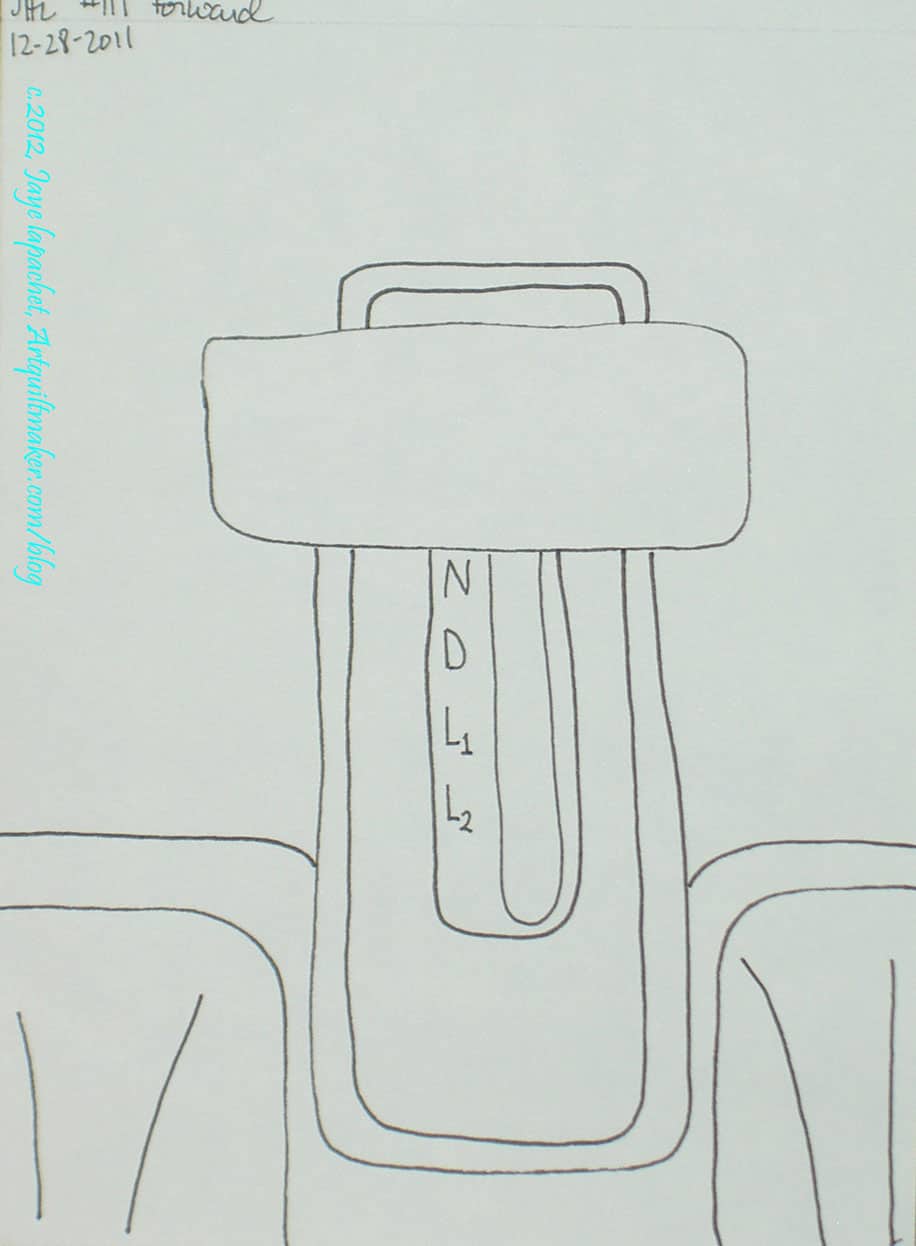
Around the time I did this response, I was driving a lot. This immediate came to mind.
See what you think about the original prompt.
Commentary about works in progress, design & creativity
Around the time I did this response, I was driving a lot. This immediate came to mind.
See what you think about the original prompt.
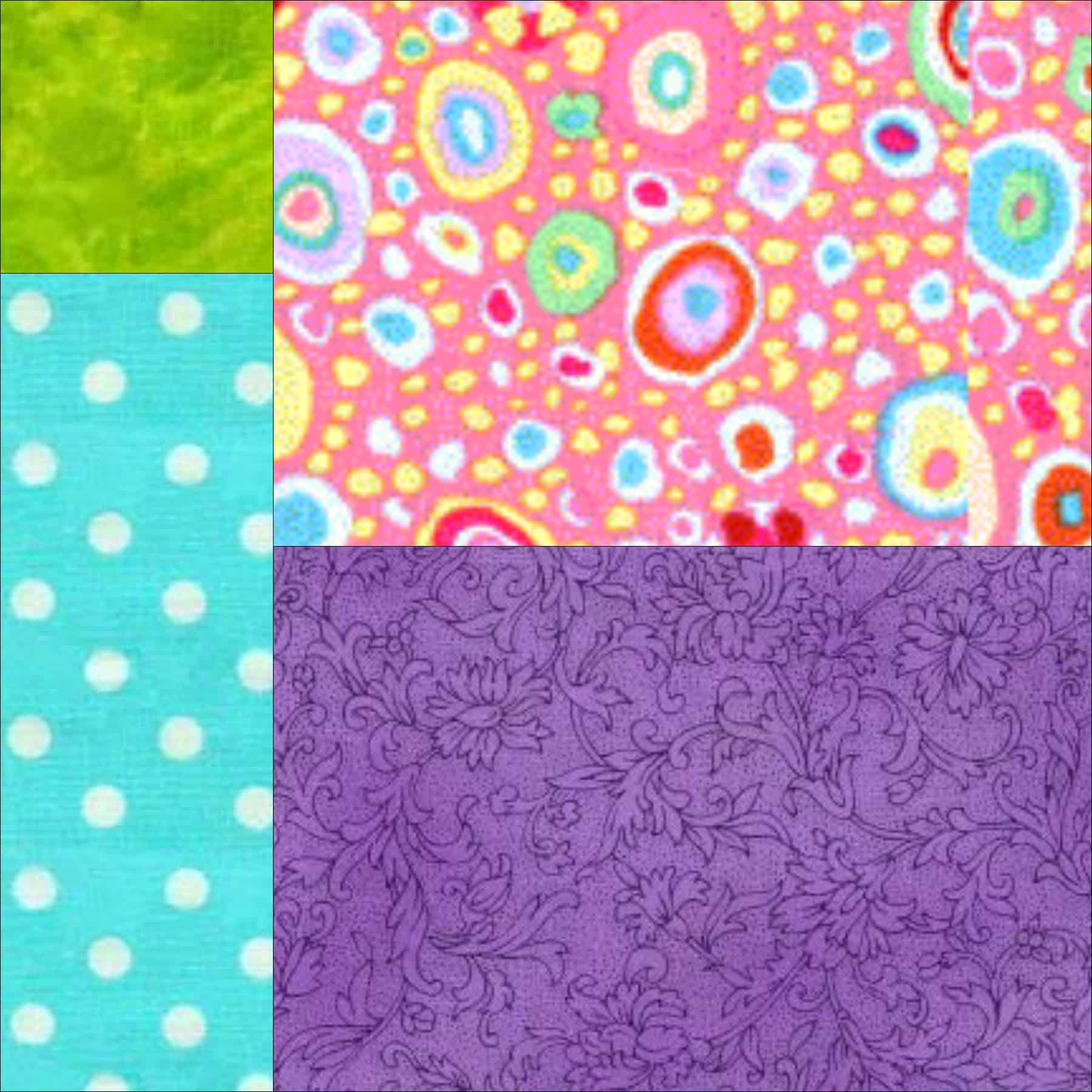
Happy New Year! I hope one of your resolutions was to participate int he Block-a-Long!
This is the first block of the New Year! Another simple block with rectangles. Yes, I am definitely continuing my rectangle love.
It looks good with four fabrics and I encourage you to select your own fabrics and not try and match mine.
Rotary cutting directions for Big Stack & Square Line #37 are posted.
If you have made blocks or a quilt from these patterns, please post a link in the comments section of the relevant block or on the AQ Block-a-Long Flickr group. I would love to see what you have made.
Baby, it’s cold outside
baby names
Rock a bye baby
Hush Little Baby
baby bunting
cry baby
baby pictures
Baby Einstein
Million Dollar Baby (movie)
Angel baby
cherub
baby doll
baby talk
new baby
baby shower
infant
baby clothes
you and me, baby
baby steps
Post the direct URL (link) where your drawing, doodle, artwork is posted (e.g. your blog, Flickr) in the comments area of this post. I would really like to keep all the artwork together and provide a way for others to see your work and/or your blog, and how your work relates to the other responses.
The Creative Prompt Project, also, has a Flickr group, which you can join to post your responses. Are you already a member? I created that spot so those of you without blogs and websites would have a place to post your responses. Please join and look at all of the great artwork that people have posted.
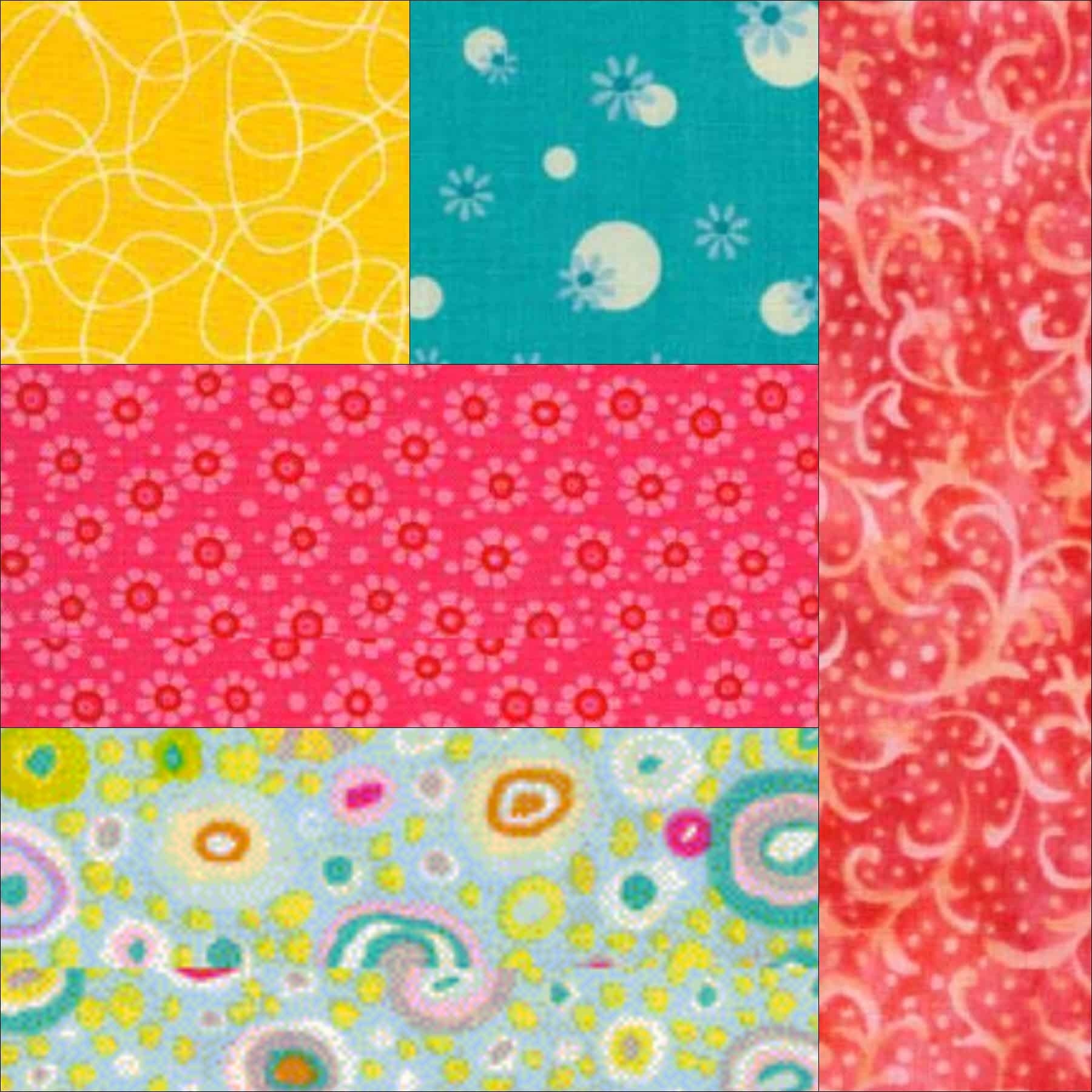
I find it fascinating how many blocks can be designed using squares and rectangles. This is another block that uses squares and rectangles and five great fabrics.
The Stacks & Line #36 rotary cutting directions are straightforward.
If you have made blocks or a quilt from these patterns, please post a link in the comments section of the relevant block or on the AQ Block-a-Long Flickr group. I would love to see what you have made.

Welcome BDSIers!
Just so you know: I am not writing this at 3am. I am sleeping, but I scheduled this to post at 3am for you crazy people 😉 who live in different timezones and are already up and sewing.
Other organizers and participants:
Sandy of Quilting…for the Rest of Us. Sandy has a post or two up about #BDSI already. She is the main gal, so head over to her site for all of the instructions and excitement!
Pam of Hip to Be a Square Podcast. If you don’t listen to her podcast, you should. If nobody can make you sew, Pam can.
Tanesha of Crafty Garden Mom. Love her podcast, especially the book reviews.
Sandy of Quilt Cabana Corner. Sandy has a book out. Have you seen it?
Katie of Katie’s Quilting Corner. Katie has made the most amazing progress in her short career as a quiltmaker. If you look “all in” up in the dictionary, you will see Katie’s picture next to the definition.
There will be prizes.
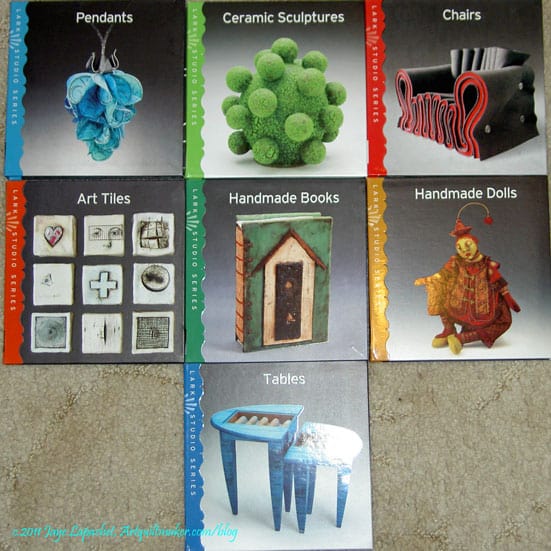
Sandy and Pam are organizing all that and I am just contributing. I want people to have fun, but I don’t want to do too much work. Mostly I am lazy. After racing around for 3 weeks with holiday preparations, houseguests, having a cold and not sleeping, with a sprinkle of major baking on top, I am tired.
Here is some info about when #BDSI starts at which locations. This chart/information is completely cribbed from Sandy’s post. She did such a good job, I only had to edit it a bit. 😉 Thanks, Sandy.
To help you with the time zone math–starting at midnight at Sandy’s house means that BDSI starts at:
7:00 p.m. Dec. 25 in Honolulu (PST)
9:00 p.m. Dec. 25 in San Francisco (PST)
5:00 a.m. Dec 26 in London
6:00 a.m. Dec 26 in Berlin
2:00 p.m. Dec 26 in Tokyo
4:00 p.m. Dec 26 in Sydney
And, Sandy says, “24 hours is 24 hours no matter where on the globe you’re standing. So, for some of you, BDSI will be ending on December 27th. And that’s OK with me.” We on the West Coast will get an extra 3 or 5 hours, though fat lot of good it will do those of us visiting the rellies or sleeping.
Boxing Day Sew-In will officially end again at midnight EST–as soon as December 26 ends at Sandy’s house (frigid North) –24 hours of fun! Giveaway winners will be announced on December 27th.
Sandy writes “(Thanks to The World Clock time zone converter at www.timeanddate.com, ’cause I sure can’t do that math myself!)” I added San Francisco and Honolulu, because SF is a very important city and who doesn’t love Hawaii?
Follow along on Twitter using the hashtag #BDSI. Even if you do not have a Twitter account, you can go to Tweetchat, enter the #BDSI hashtag and follow the tweets. People have already been tweeting.
____________________________________________
Now to the fun stuff:
I think I am going to continue to work on the Stepping Stones. I have boatloads of Half Square Triangles (HSTs) to make. I have been using the Triangle Technique, but would like to try Katie’s fish technique again. I have done it before, but it has been awhile. The site where she found the Fish ‘template’ does not have a template for the size of HSTs I need and I don’t want to take the time to make one. Perhaps for another project.
I also received some pizza fabric with which I want to make some pillow cases for the Young Man. My mom made him a Food Quilt (yes, he will end up with two eventually) with a pizza border, so I thought some pizza fabric pillowcases would be a nice addition. We’ll see if I get to that. Perhaps in between HSTs.
I also have the G block for the A-B-C Challenge to make
I could do anything on the 26 Projects list and make progress, so the ‘future is wide open’ as that song says.
I have pillowcases planned for the nieces as well.
Never a dull quiltmaking moment around here!
Hope you enjoy BDSI! Look for the Block-a-Long block tomorrow.
Heigh Ho, The Holly
Blow, blow, thou winter wind,
Thou art not so unkind
As man’s ingratitude;
Thy tooth is not so keen,
Because thou art not seen,
Although thy breath be rude.
Heigh ho, sing heigh ho, unto the green holly;
most friendship is feigning, most loving mere folly:
Then, heigh ho, the holly!
This life is most jolly.
Freeze, freeze, thou bitter sky,
That dost not bite so nigh
As benefits forgot:
Though thou the waters warp,
Thy sting is not so sharp
As friend remember’d not.
Heigh ho, sing heigh ho, unto the green holly:
most friendship is feigning, most loving mere folly:
Then, heigh ho, the holly!
This life is most jolly.
~William Shakespeare
Holly Golightly
holly tree
European holly
Holly Springs (place in Jan Karon’s Mitford series)
holly berries
Holly Hobbie
Buddy Holly
Mt. Holly
Definition: Ilex is a genus belonging to the family of the Aquifoliaceae, native of Afro-Eurasia, Australia and the Americas, established by Carl Linnaeus. It has over 300 species in the subtropical regions of both hemispheres. The genus includes species of trees, shrubs, and climbers, with evergreen or deciduous foliage and inconspicuous flowers. The genus was more extended in the tertiary and many species have adapted to laurel forest habitat. Ilex is adapted from sea level to more than 2000 meters with high mountain species. Ilex are dioecious and have smooth, glabrous, or pubescent branchlets. The plants are generally slow-growing but over time can reach more than 10 m. The genus name is derived from the Latin (Acer = acute & folium = leaf). Many are evergreen tree with some species growing to 25 m tall. Type species is mediterranean Ilex aquifolium described by Linnaeus
Originally the name of “ilex” was that of the european species (Ilex aquifolium ), many representatives of the genus Ilex were also called by the common name Holly because of the obvious resemblance. In Roman times, the Roman people in Latin language originally designated as Ilex the evergreen oak, named today scientifically (Quercus ilex). The leaves of the Holly actually recall those of the oak.
Have a Holly Jolly Christmas!
Post the direct URL (link) where your drawing, doodle, artwork is posted (e.g. your blog, Flickr) in the comments area of this post. I would really like to keep all the artwork together and provide a way for others to see your work and/or your blog, and how your work relates to the other responses.
The Creative Prompt Project, also, has a Flickr group, which you can join to post your responses. Are you already a member? I created that spot so those of you without blogs and websites would have a place to post your responses. Please join and look at all of the great artwork that people have posted.
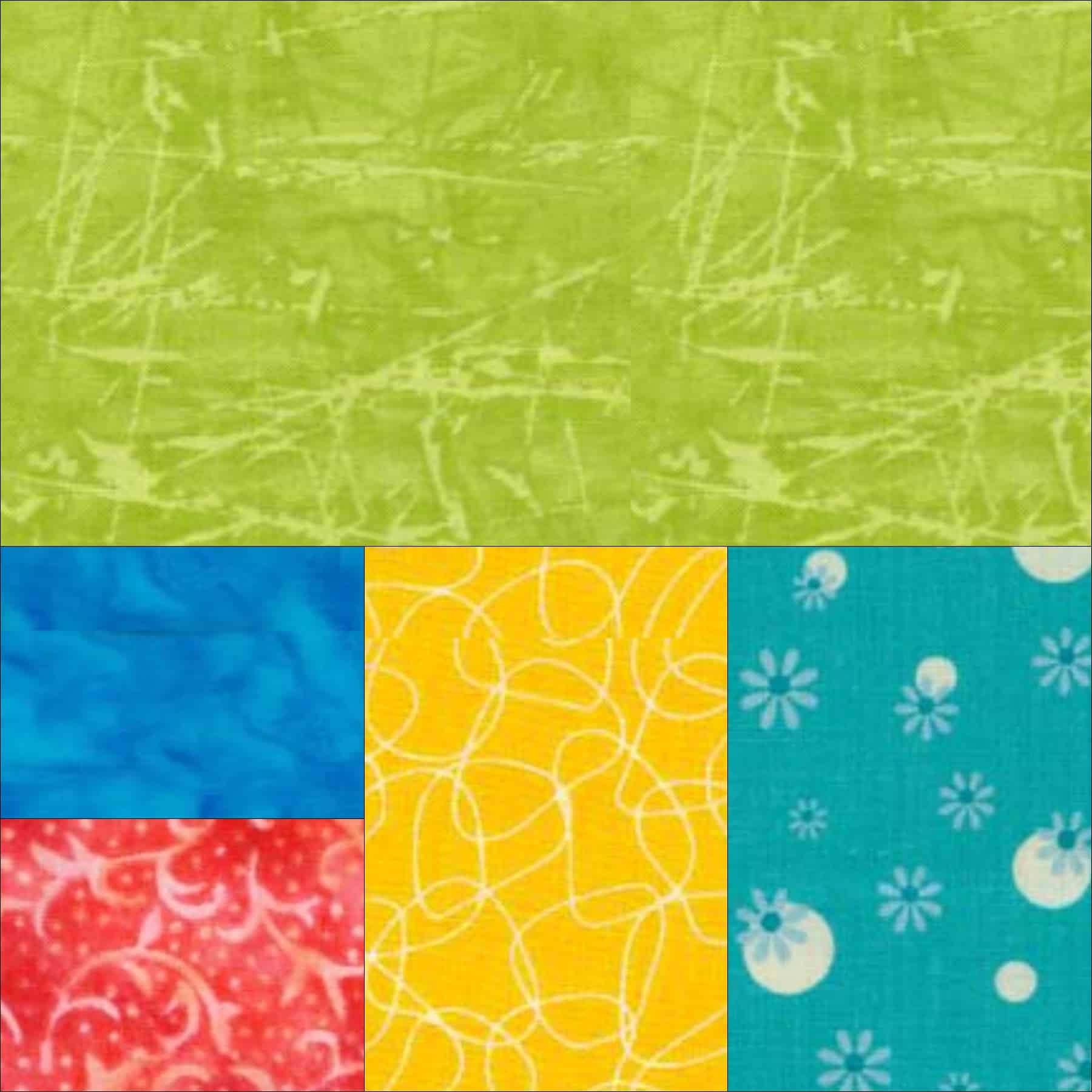
I couldn’t think of a good name for this, but Floorplan came to mind and it kind of fits. This has more pieces, but is still pretty straightforward and I am providing the Floorplan rotary cutting directions.
This block would look good with five fabrics, but you could also use four.
If you have made blocks or a quilt from these patterns, please post a link in the comments section of the relevant block or on the AQ Block-a-Long Flickr group. I would love to see what you have made.
Congratulations to Nonnie for being the winner.
Thanks to everyone who played along! And…thanks for reading.
cumulous
rain clouds
cloudy day
Definition: A cloud is a visible mass of liquid droplets or frozen crystals made of water and/or various chemicals suspended in the atmosphere above the surface of a planetary body. They are also known as aerosols. Clouds in Earth’s atmosphere are studied in the nephology or cloud physics branch of meteorology. Two processes, possibly acting together, can lead to air’s becoming saturated: cooling the air or adding water vapor to the air. In general, precipitation will fall to the surface; an exception is virga, which evaporates before reaching the surface.
in the cloud
save to the cloud
big fluffy clouds
cirrus
Cloudy with a Chance of Meatballs
iCloud
cloud formation
Post the direct URL (link) where your drawing, doodle, artwork is posted (e.g. your blog, Flickr) in the comments area of this post. I would really like to keep all the artwork together and provide a way for others to see your work and/or your blog, and how your work relates to the other responses.
The Creative Prompt Project, also, has a Flickr group, which you can join to post your responses. Are you already a member? I created that spot so those of you without blogs and websites would have a place to post your responses. Please join and look at all of the great artwork that people have posted.
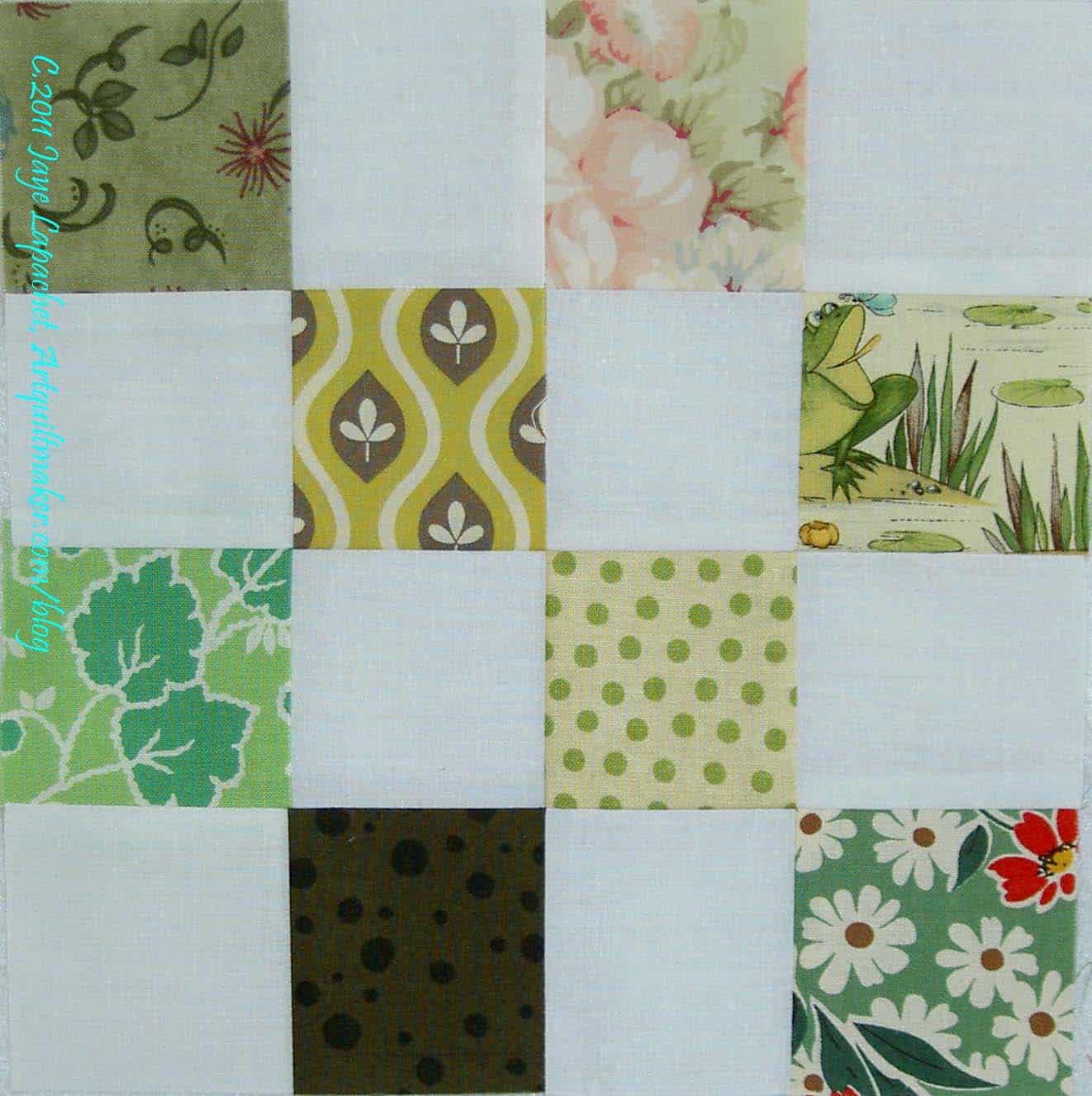
BAMQG has afforded me the opportunity to participate in charity projects without doing the whole thing myself. The group will start 2012 with a whole group of “coordinators” who are organizing different elements of the guild.
Jen and Deborah have started early with their charity duties. They provided kits for making these blocks at the last meeting and I whipped mine together in about 10 minutes. I was so thrilled and wished that I had taken more of the parts! They will assemble the various blocks they receive into quilts. I am not sure they have chosen a charity yet, but they are throwing around ideas for different local organizations.
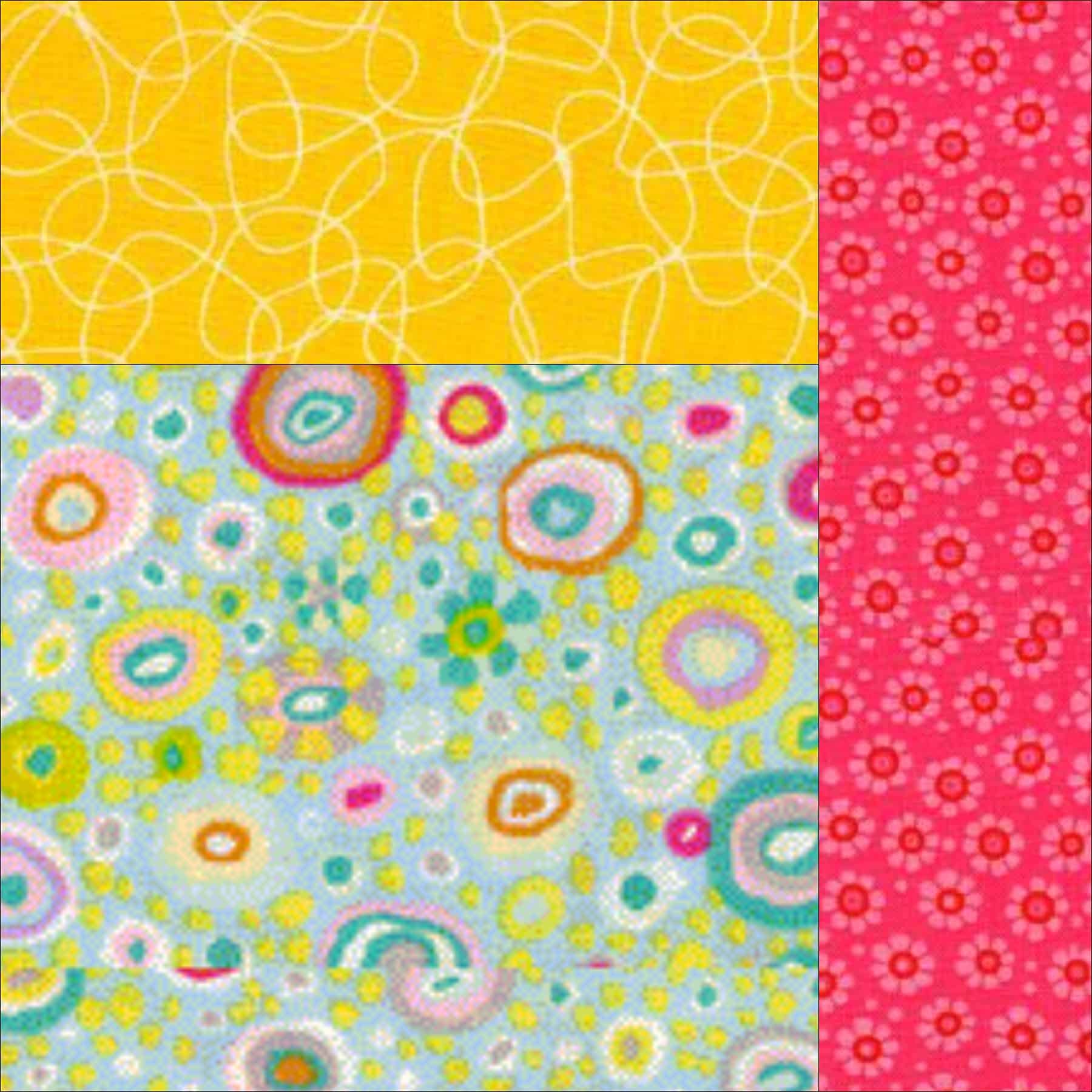
I think that this would be a great corner block. I think it would frame or point to other blocks very well.
This block would be great with three fabrics. I have the Sashed Squares rotary cutting directions.
If you have made blocks or a quilt from these patterns, please post a link in the comments section of the relevant block or on the AQ Block-a-Long Flickr group. I would love to see what you have made.
Flickr
Northern Flicker (bird)
what a candle does
Definition (intransitive verb)
2008 movie
a flicker of hope
Post the direct URL (link) where your drawing, doodle, artwork is posted (e.g. your blog, Flickr) in the comments area of this post. I would really like to keep all the artwork together and provide a way for others to see your work and/or your blog, and how your work relates to the other responses.
The Creative Prompt Project, also, has a Flickr group, which you can join to post your responses. Are you already a member? I created that spot so those of you without blogs and websites would have a place to post your responses. Please join and look at all of the great artwork that people have posted.
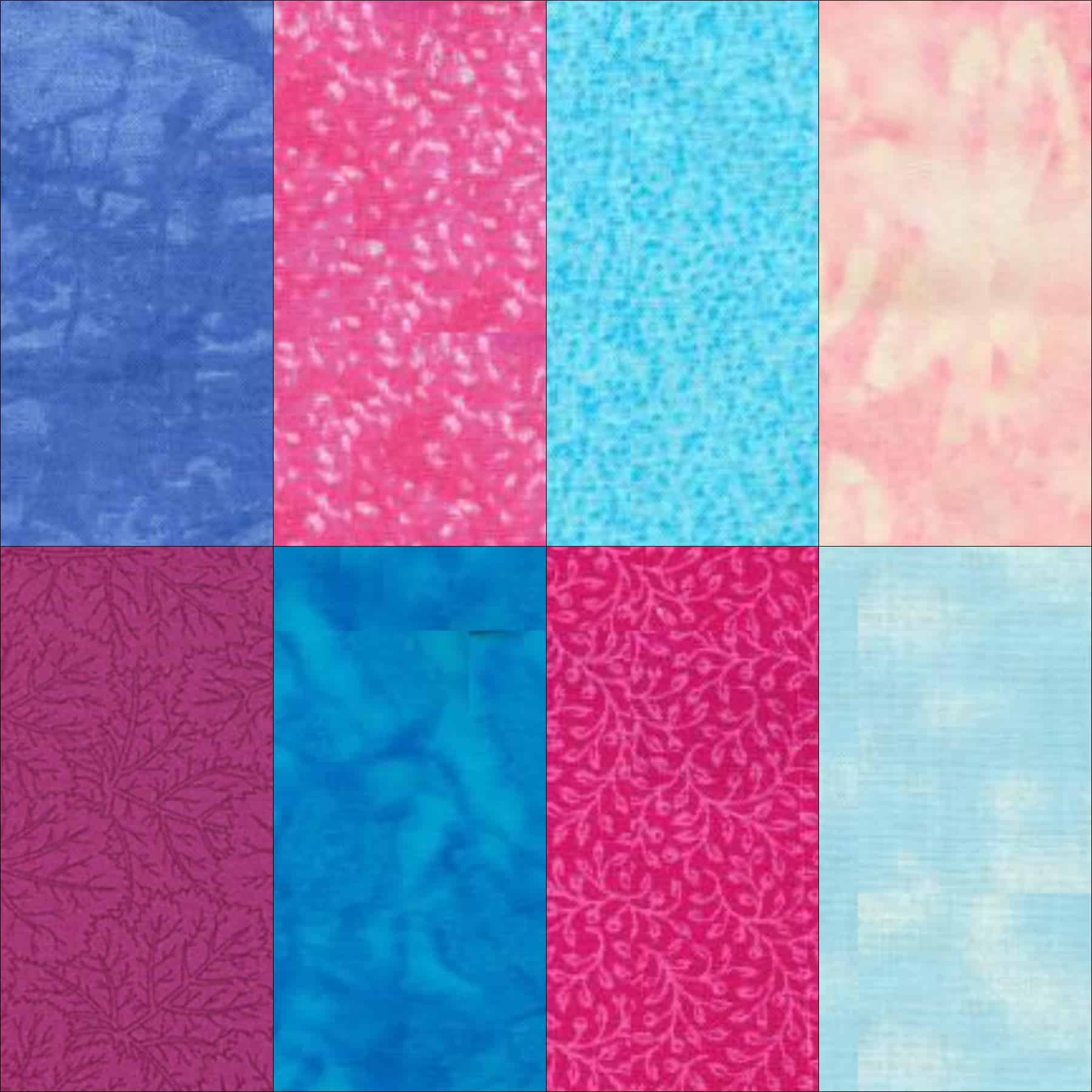
I really like this block. This block, along with last week’s block, are two of my very favorites. I am tempted to make a whole bunch of them. I think I just like the rectangles and the turquoise.
Rotary Cutting Directions for Many Rectangles.
If you have made blocks or a quilt from these patterns, please post a link in the comments section of the relevant block or on the AQ Block-a-Long Flickr group. I would love to see what you have made.
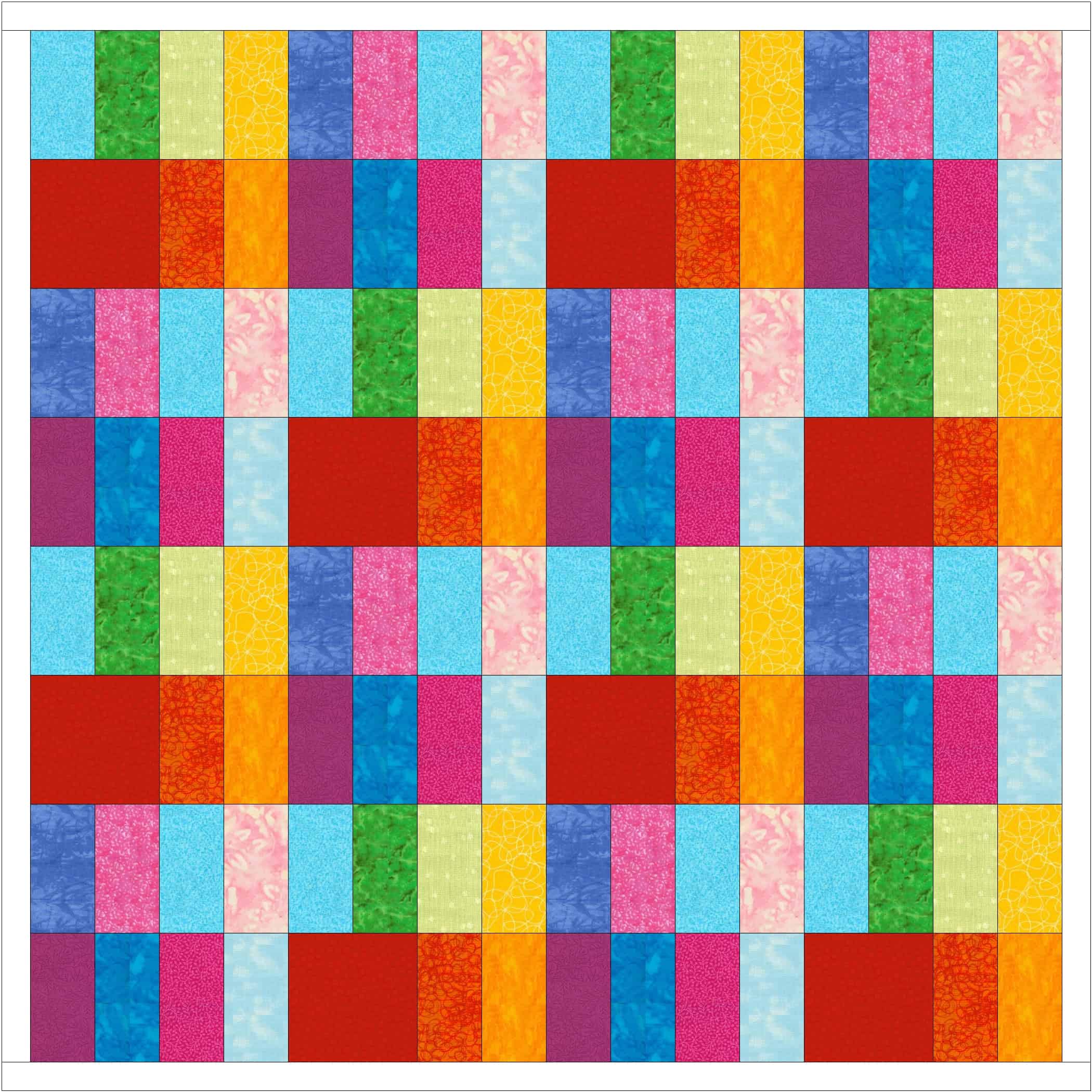
If I put the two blocks together to make a quilt, it would look like the quilt below.
secondary color
Green County, Wisconsin
Greenpeace
Green energy
shades of green
teal
Green Bay, Wisconsin
lime
“It’s not easy being green” – Kermit the Frog/Sesame Street
Green Day
Green Line Subway
Grasshopper drink
Green Bay Packers
Definition: Green is a color, the perception of which is evoked by light having a spectrum dominated by energy with a wavelength of roughly 520–570 nanometres. In the subtractive color system, it is not a primary color, but is created out of a mixture of yellow and blue, or yellow and cyan; it is considered one of the additive primary colors. On the HSV color wheel, also known as the RGB color wheel, the complement of green is magenta; that is, a purple color corresponding to an equal mixture of red and blue light. On a color wheel based on traditional color theory (RYB), the complementary color to green is considered to be red.[5]
The word green is closely related to the Old English verb growan, “to grow”. It is used to describe plants or the ocean. Sometimes it can also describe someone who is inexperienced, jealous, or sick. In the United States of America, green is a slang term for money, among other things. Several colloquialisms have derived from these meanings, such as “green around the gills”, a phrase used to describe a person who looks ill.
chlorophyll
Green Lantern
kelly green
Irish
Fiddler’s Green
green tea
Simply Green
emerald
Going green
turning green
the Green Party
U.S. Green Building Council
Post the direct URL (link) where your drawing, doodle, artwork is posted (e.g. your blog, Flickr) in the comments area of this post. I would really like to keep all the artwork together and provide a way for others to see your work and/or your blog, and how your work relates to the other responses.
The Creative Prompt Project, also, has a Flickr group, which you can join to post your responses. Are you already a member? I created that spot so those of you without blogs and websites would have a place to post your responses. Please join and look at all of the great artwork that people have posted.
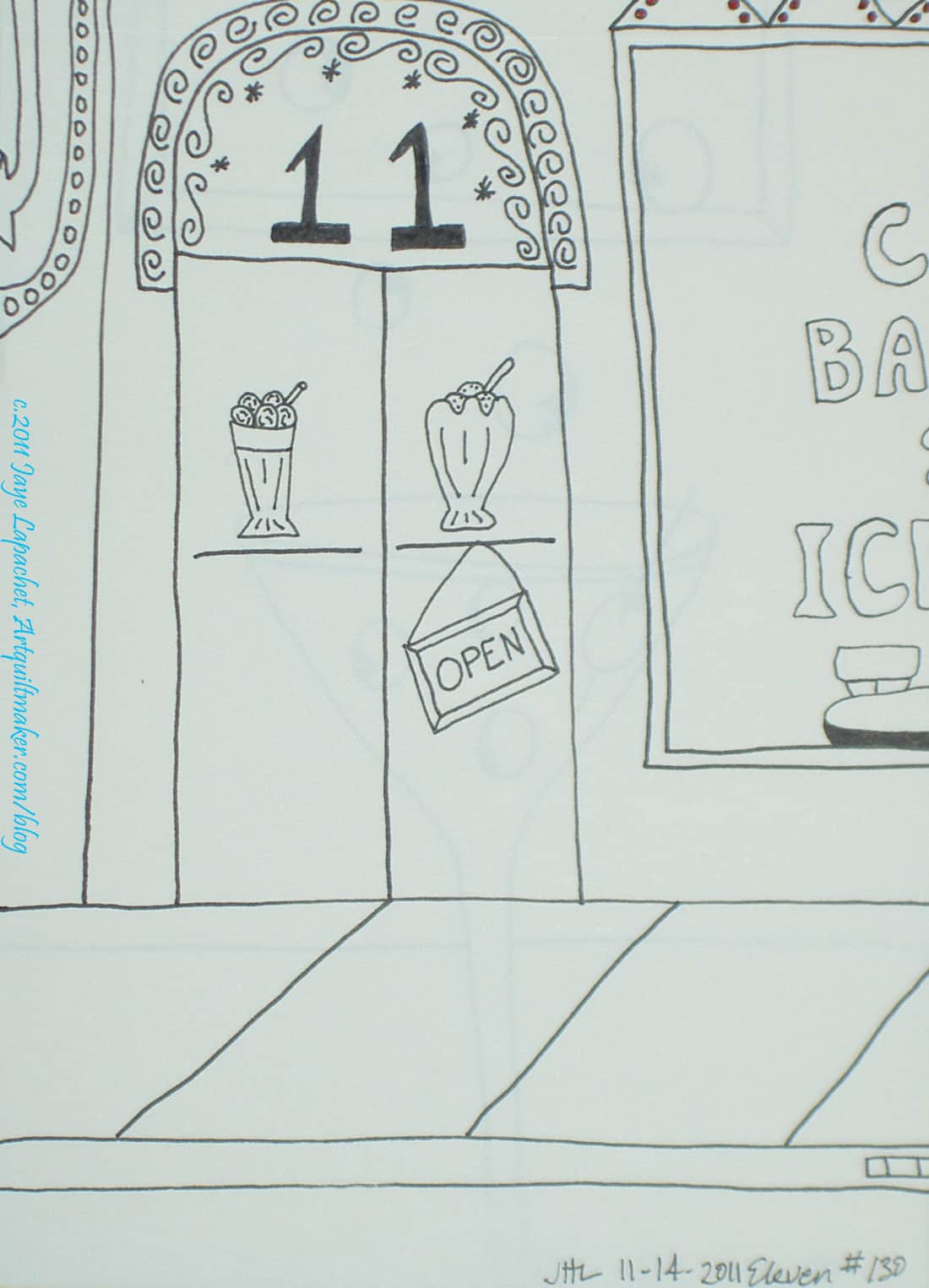
Putting numbers in the creative prompt is difficult, but I thought of an address. Check out the original post and see what you can come up with.
