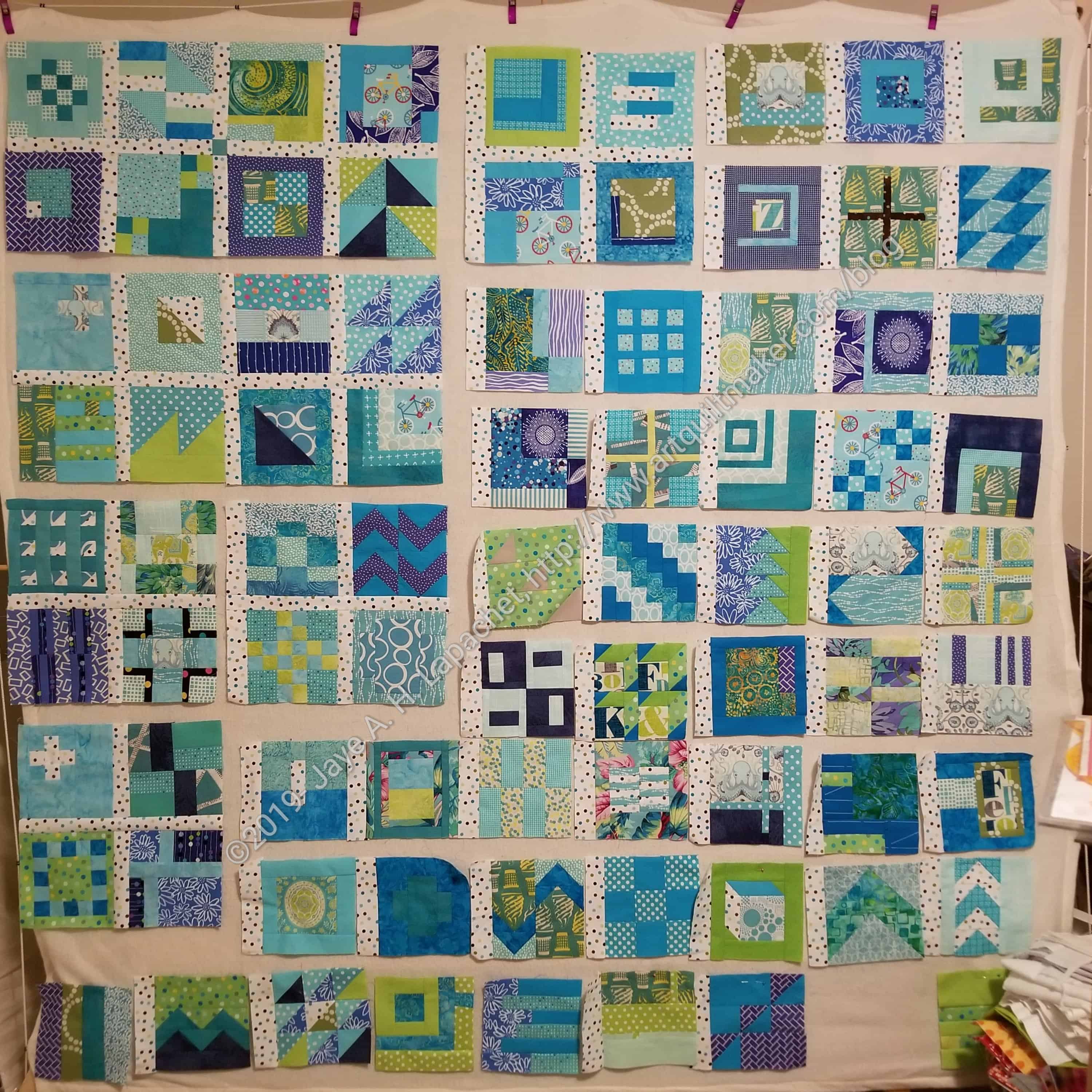
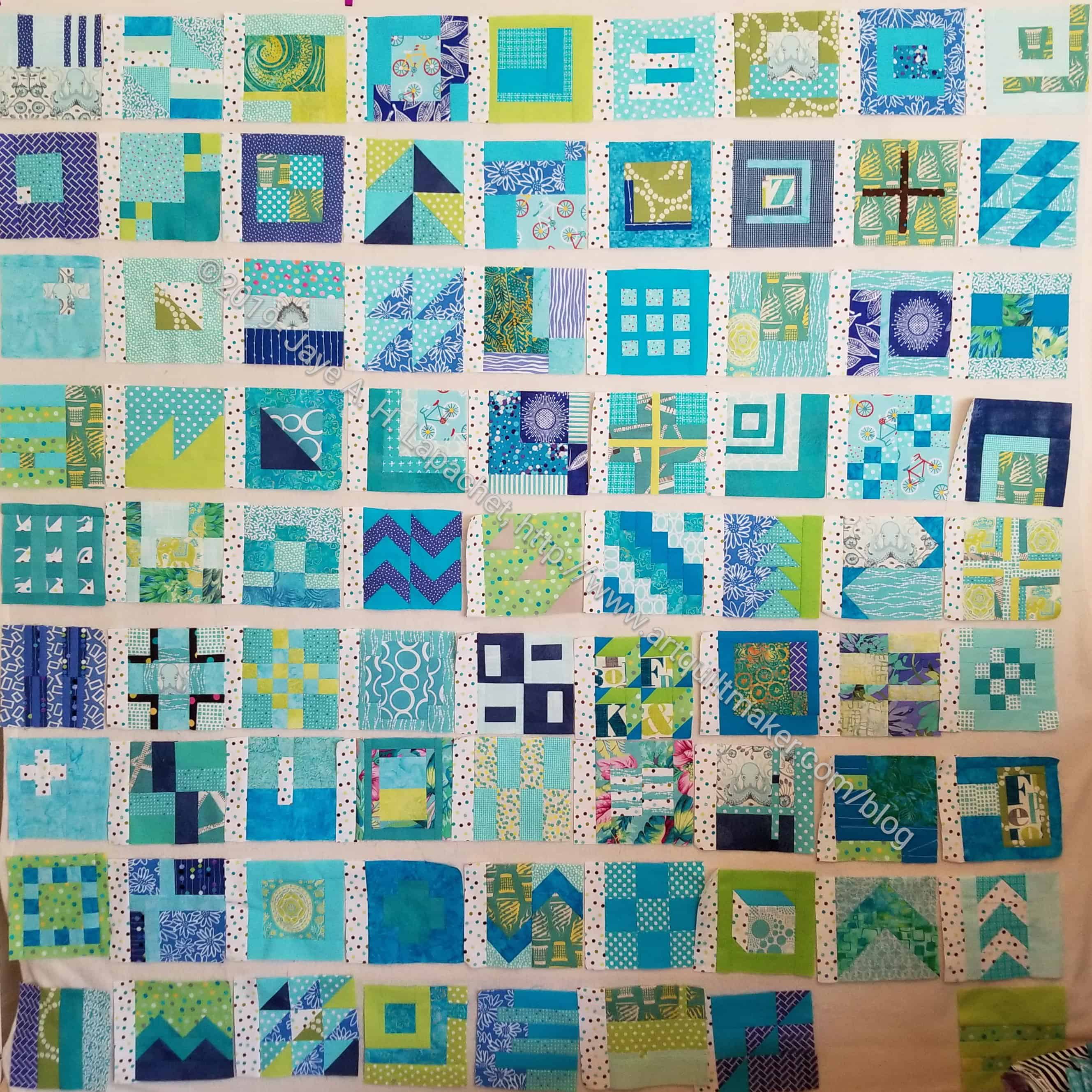
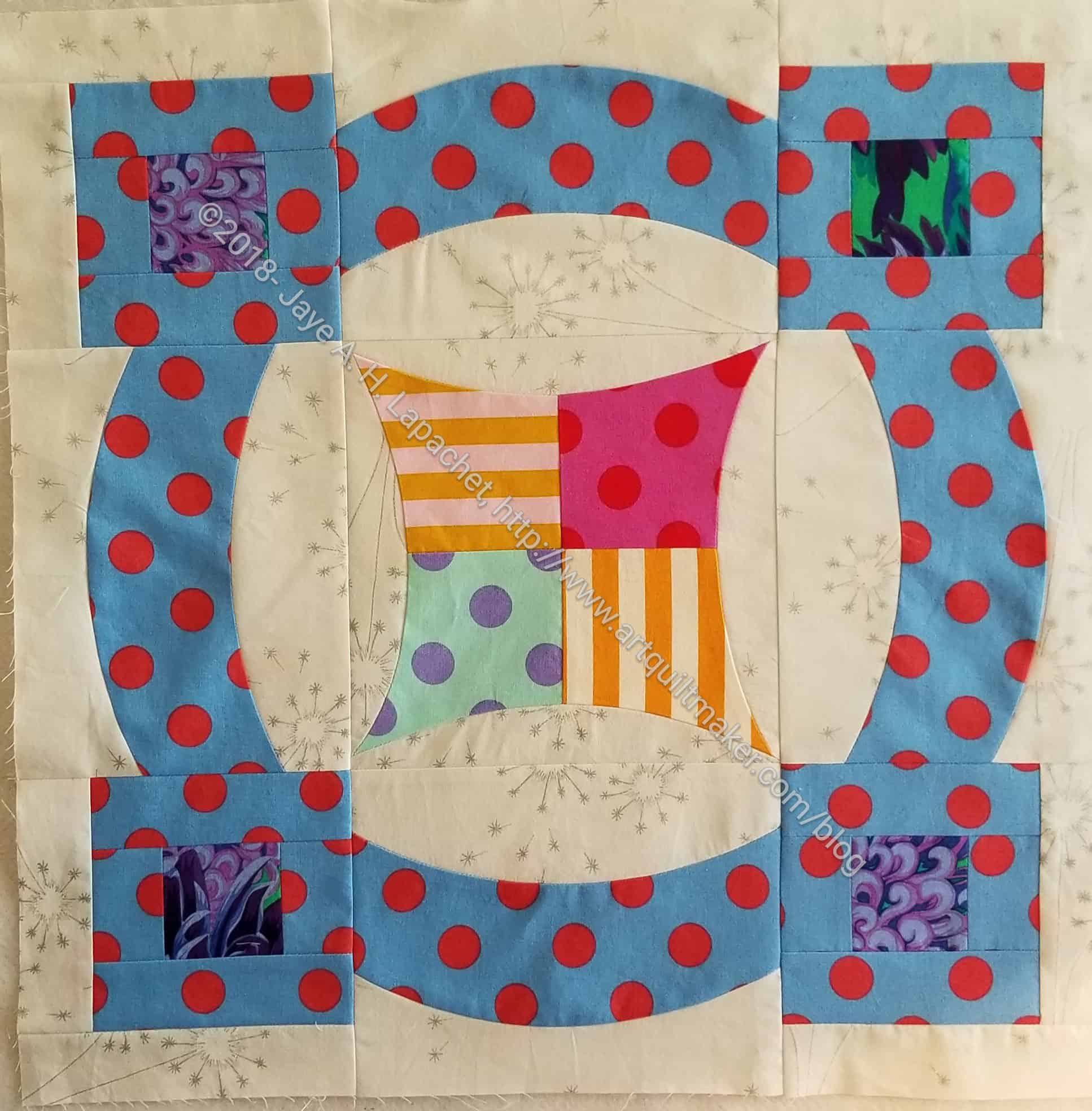
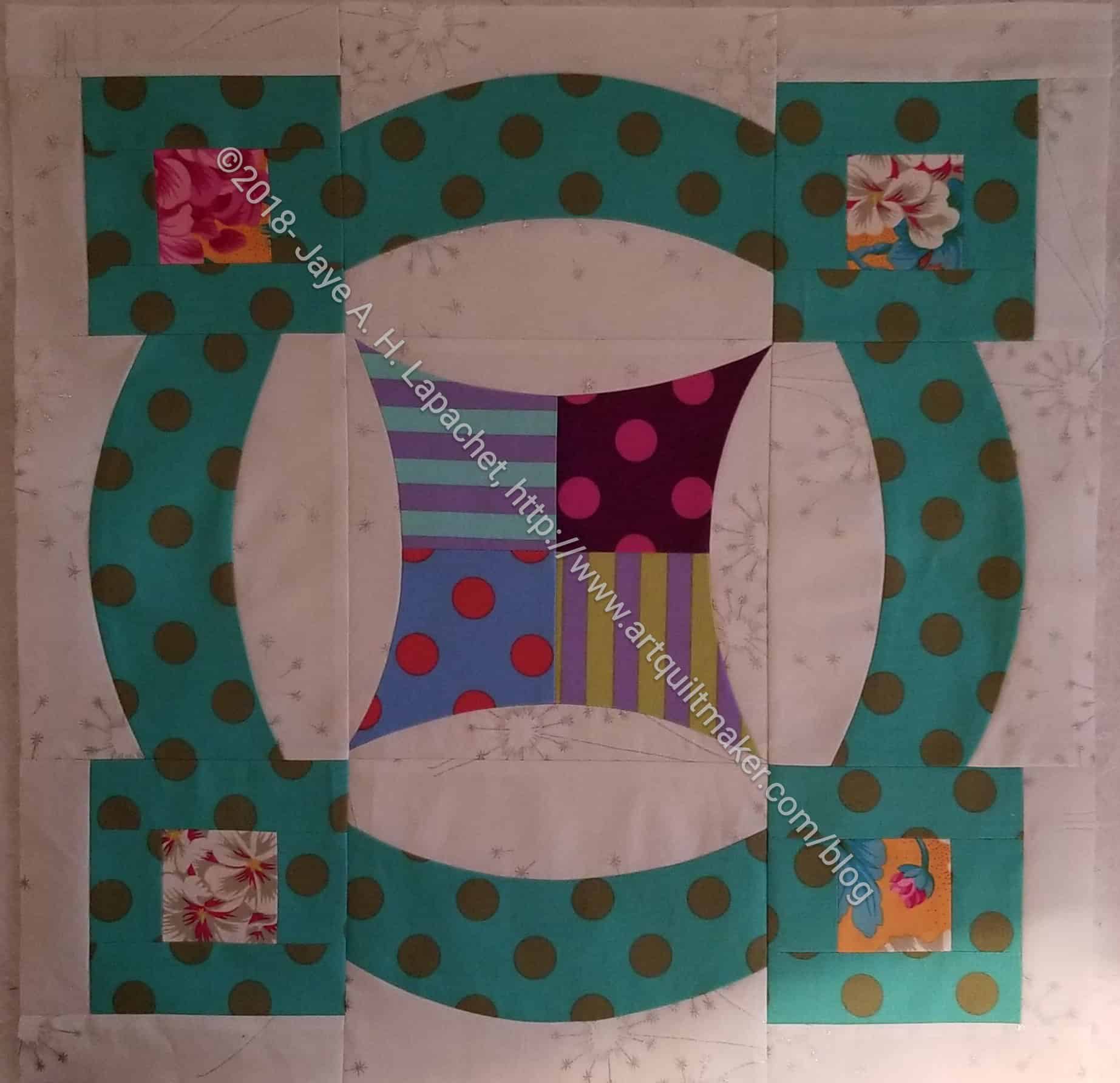
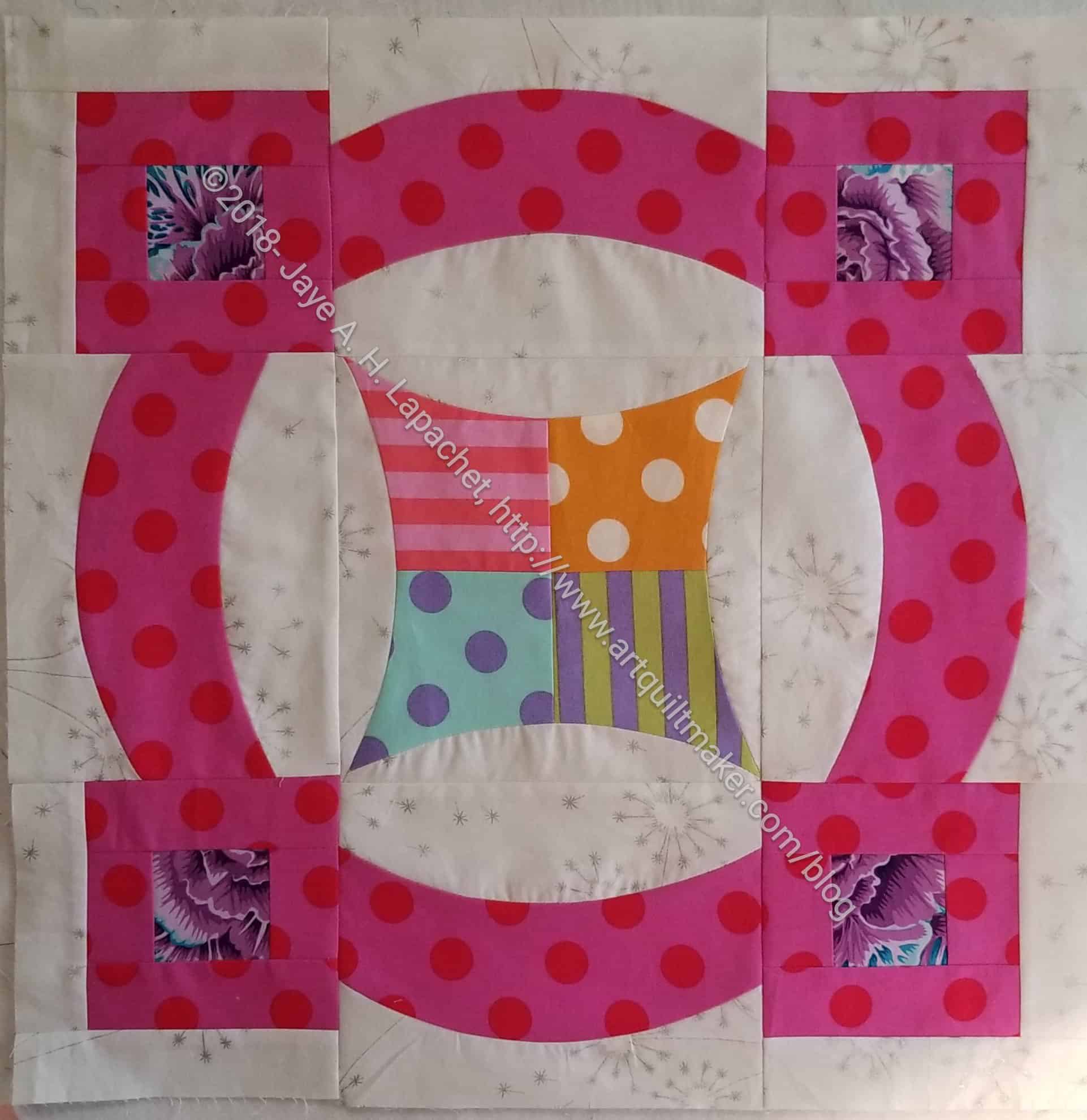
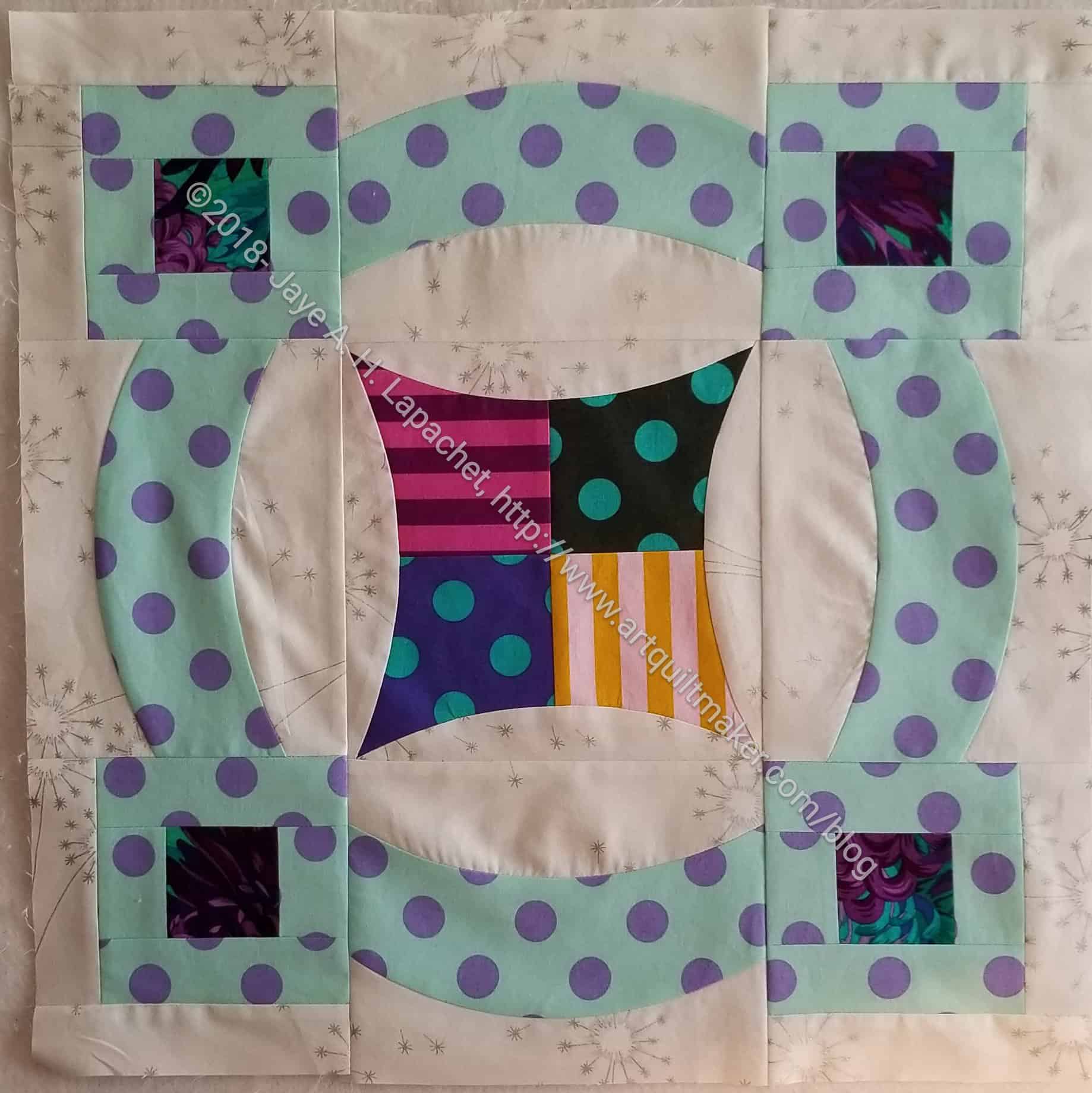
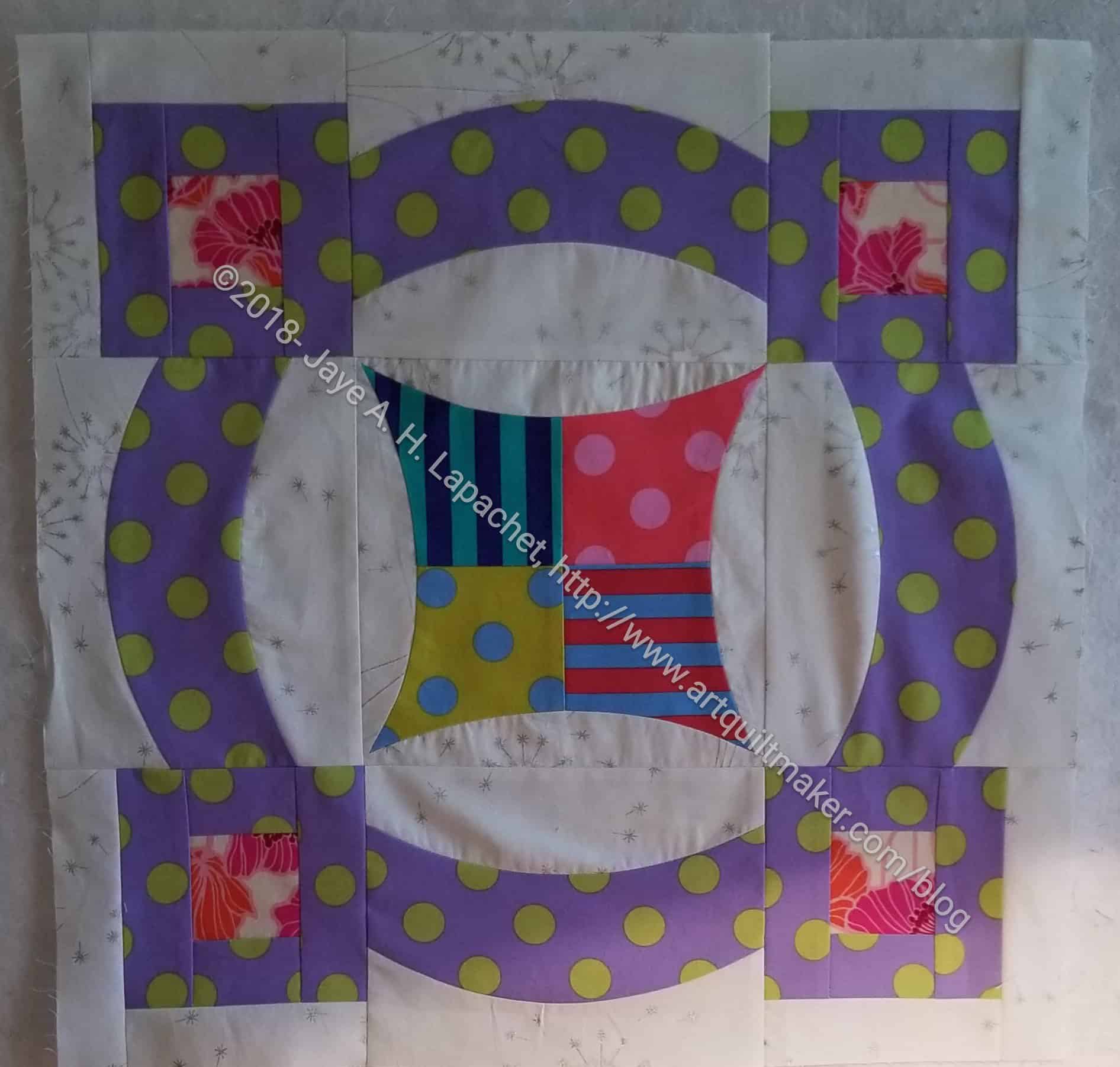
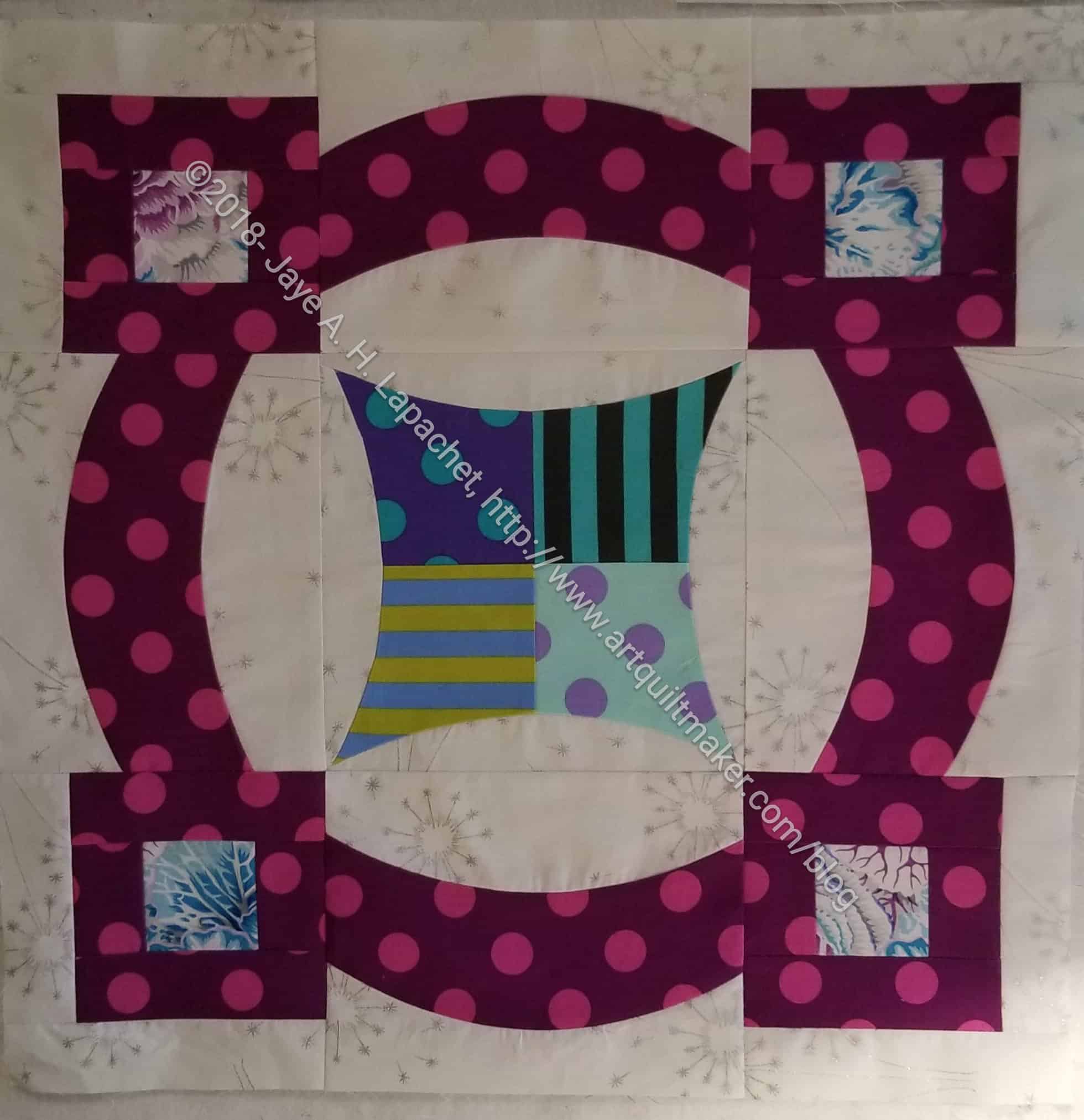
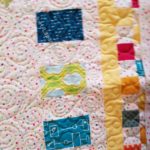
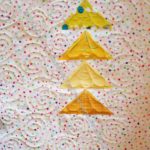
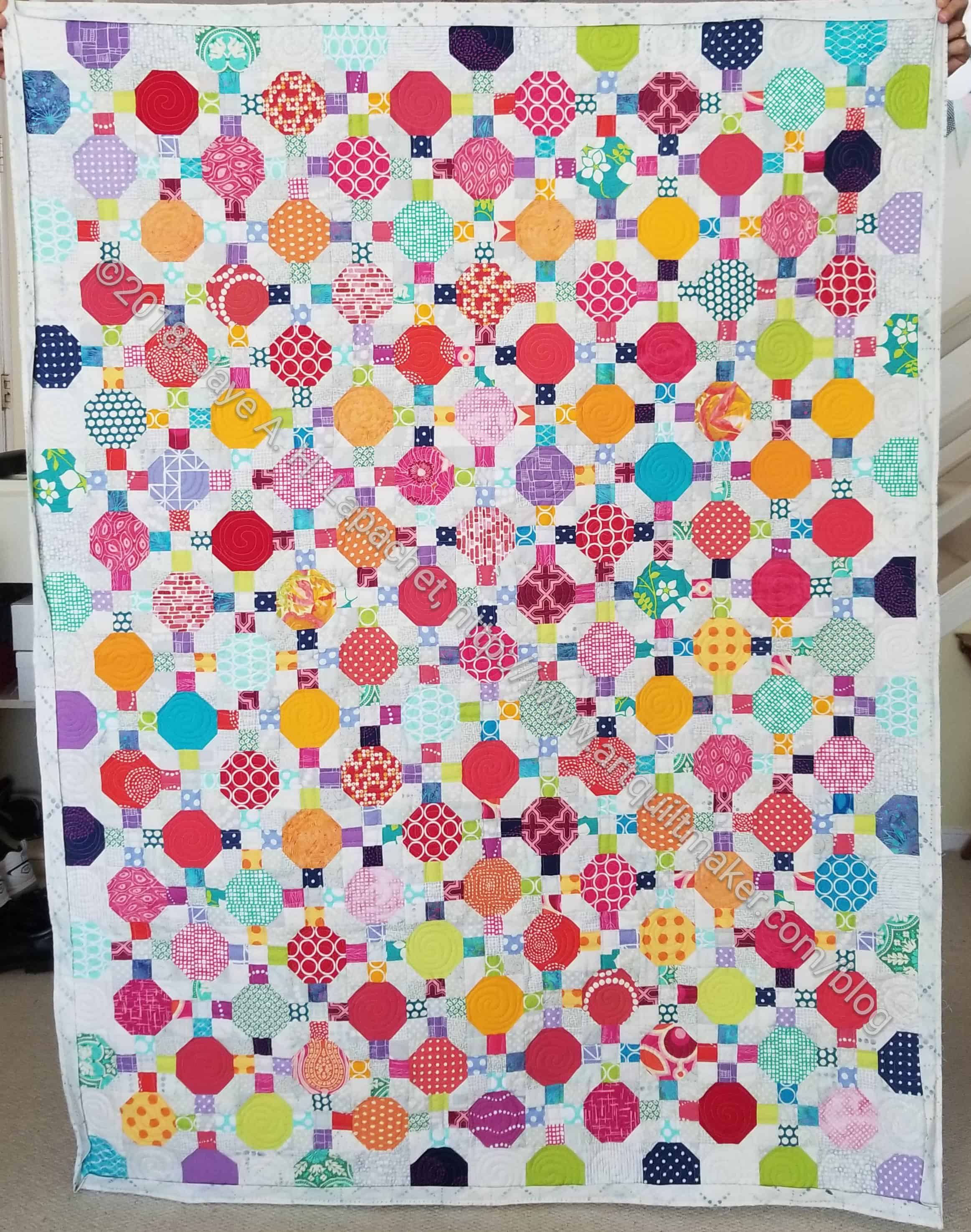
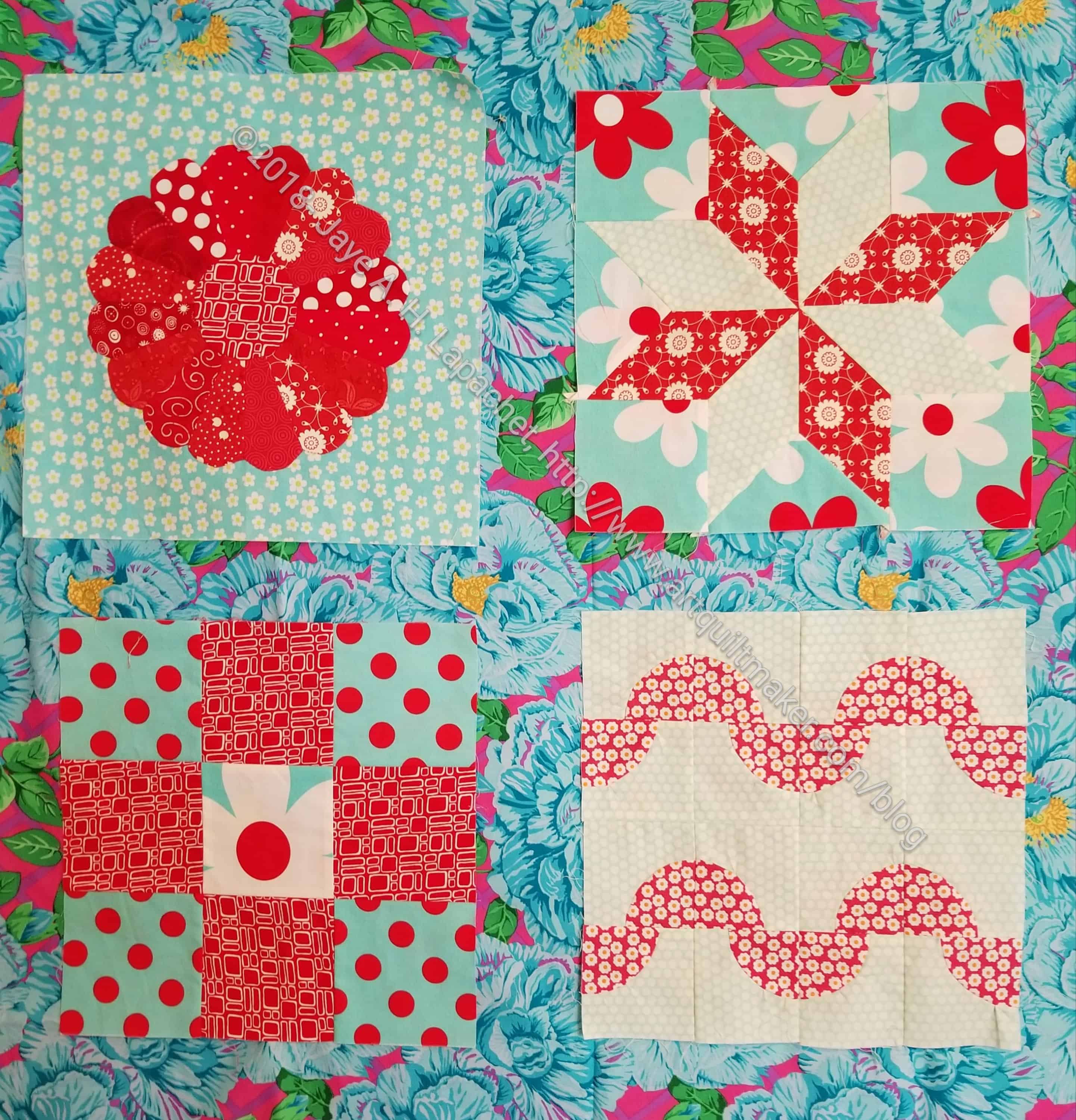
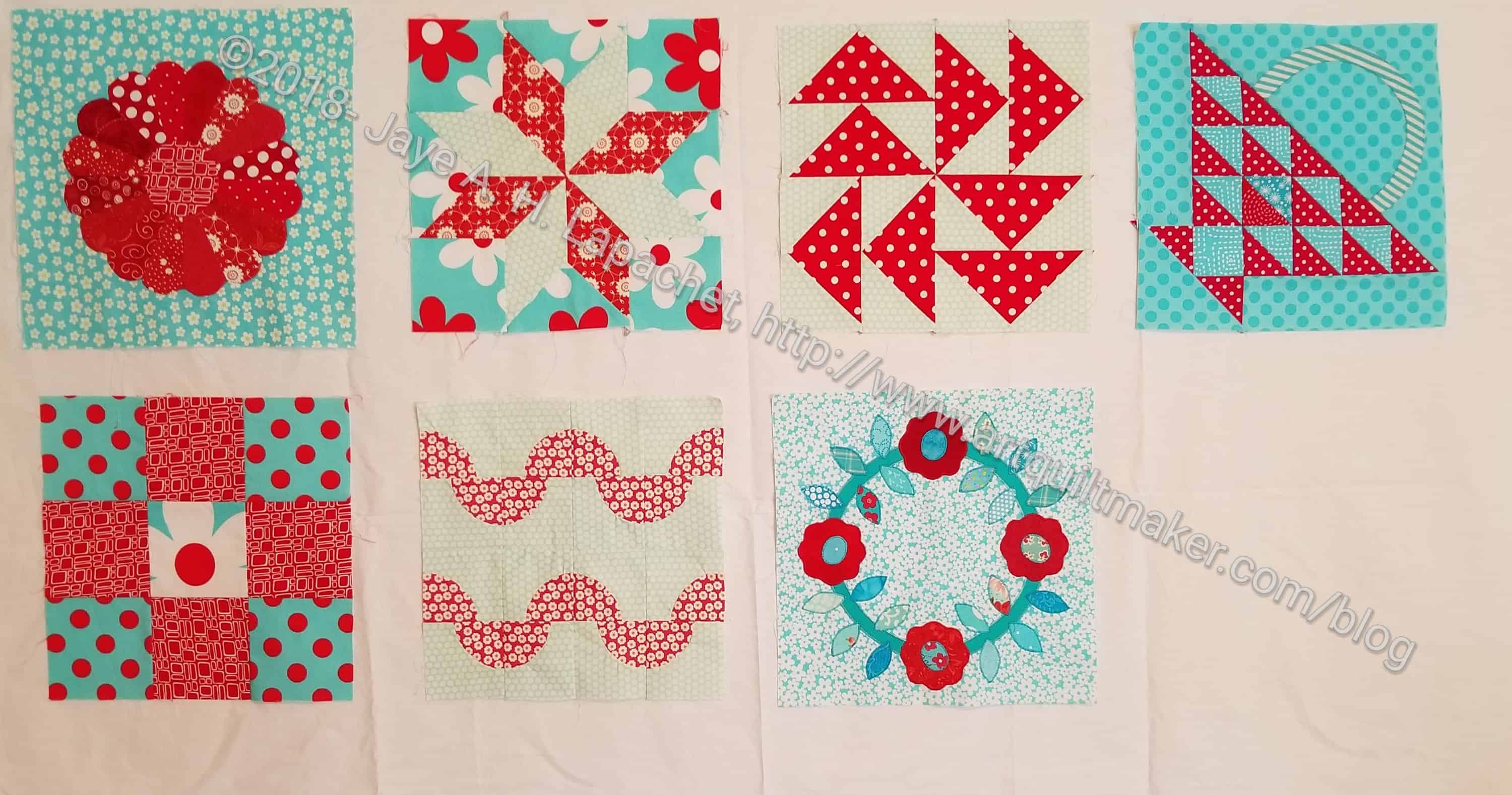
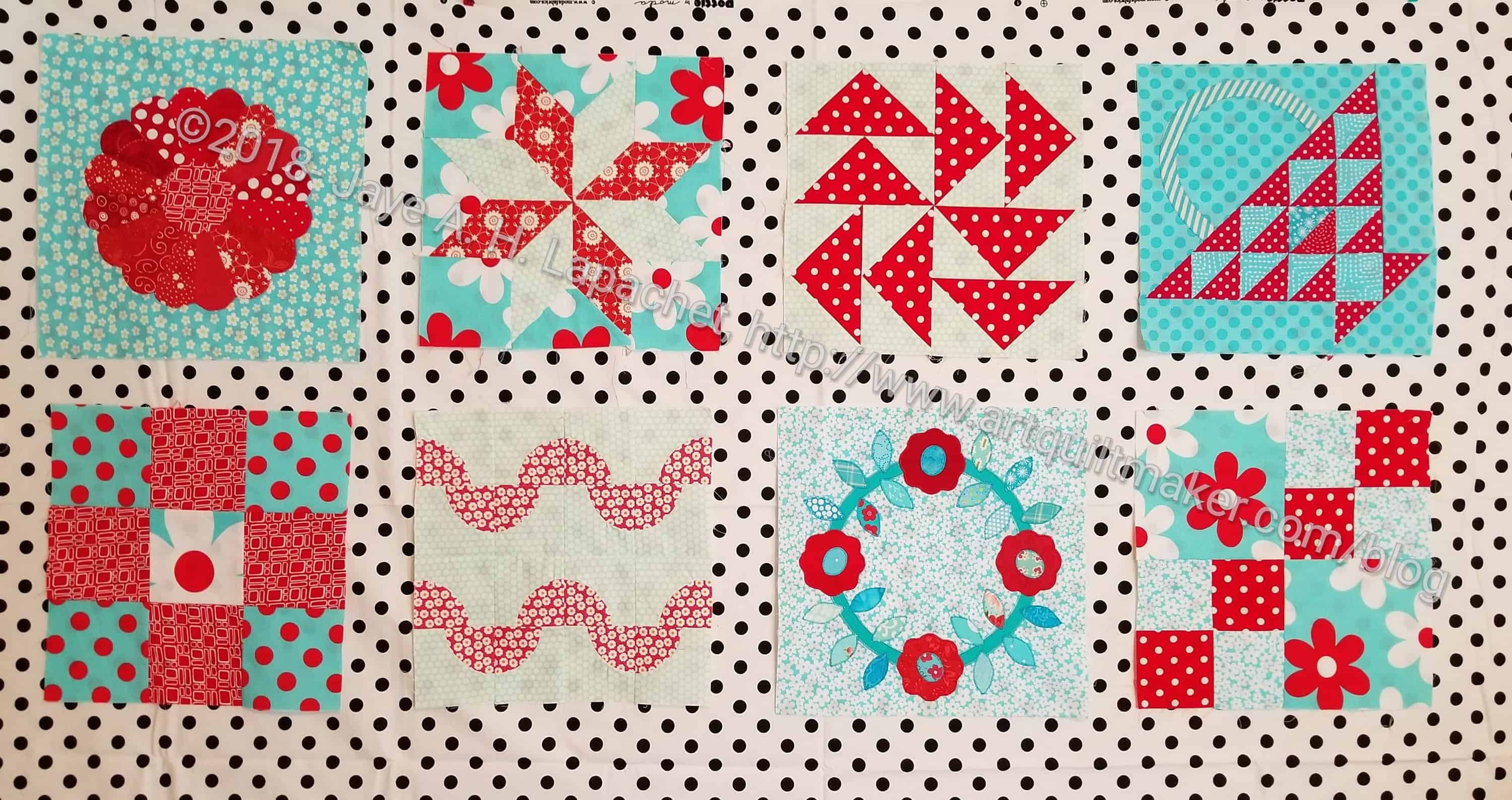
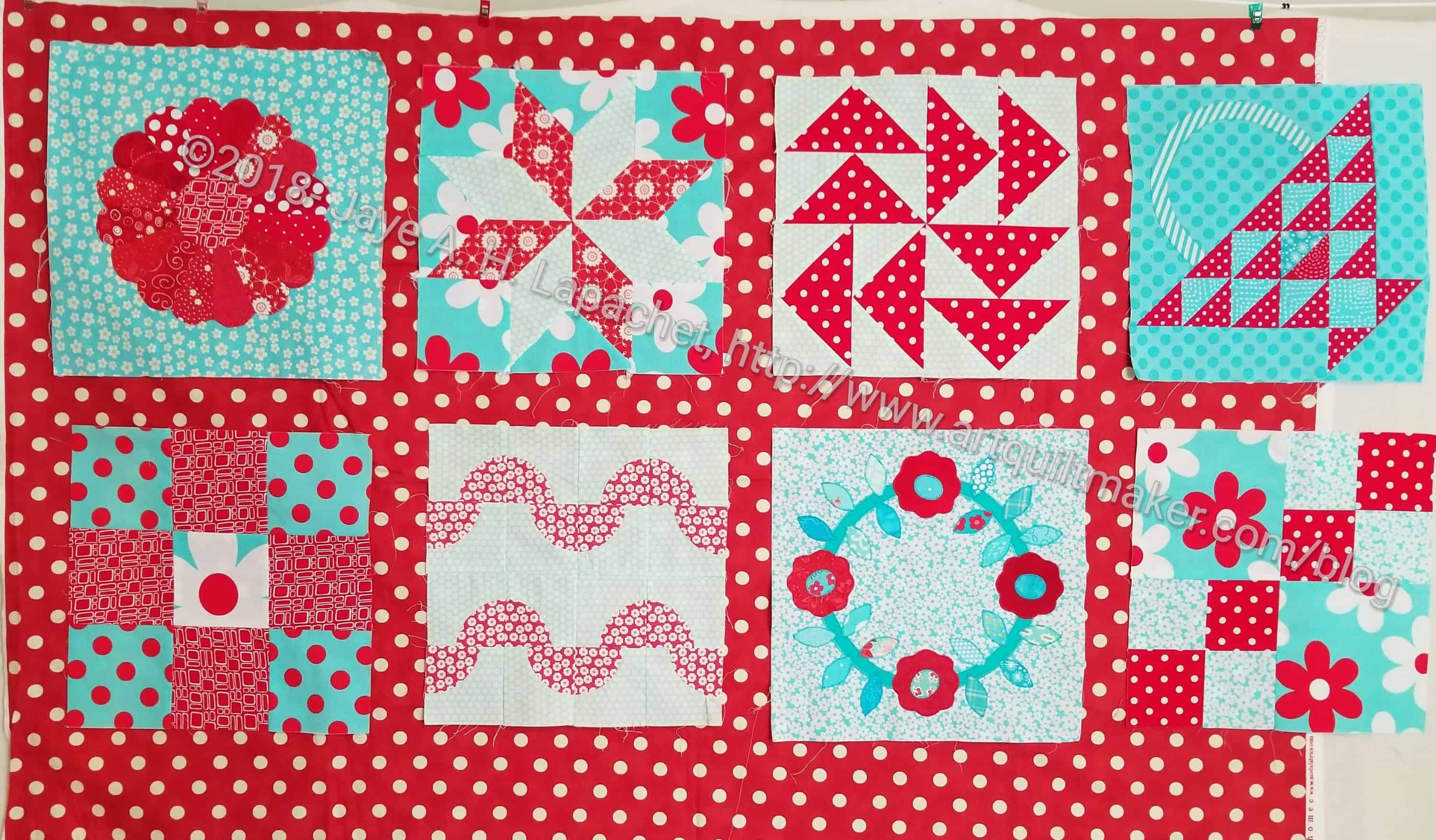
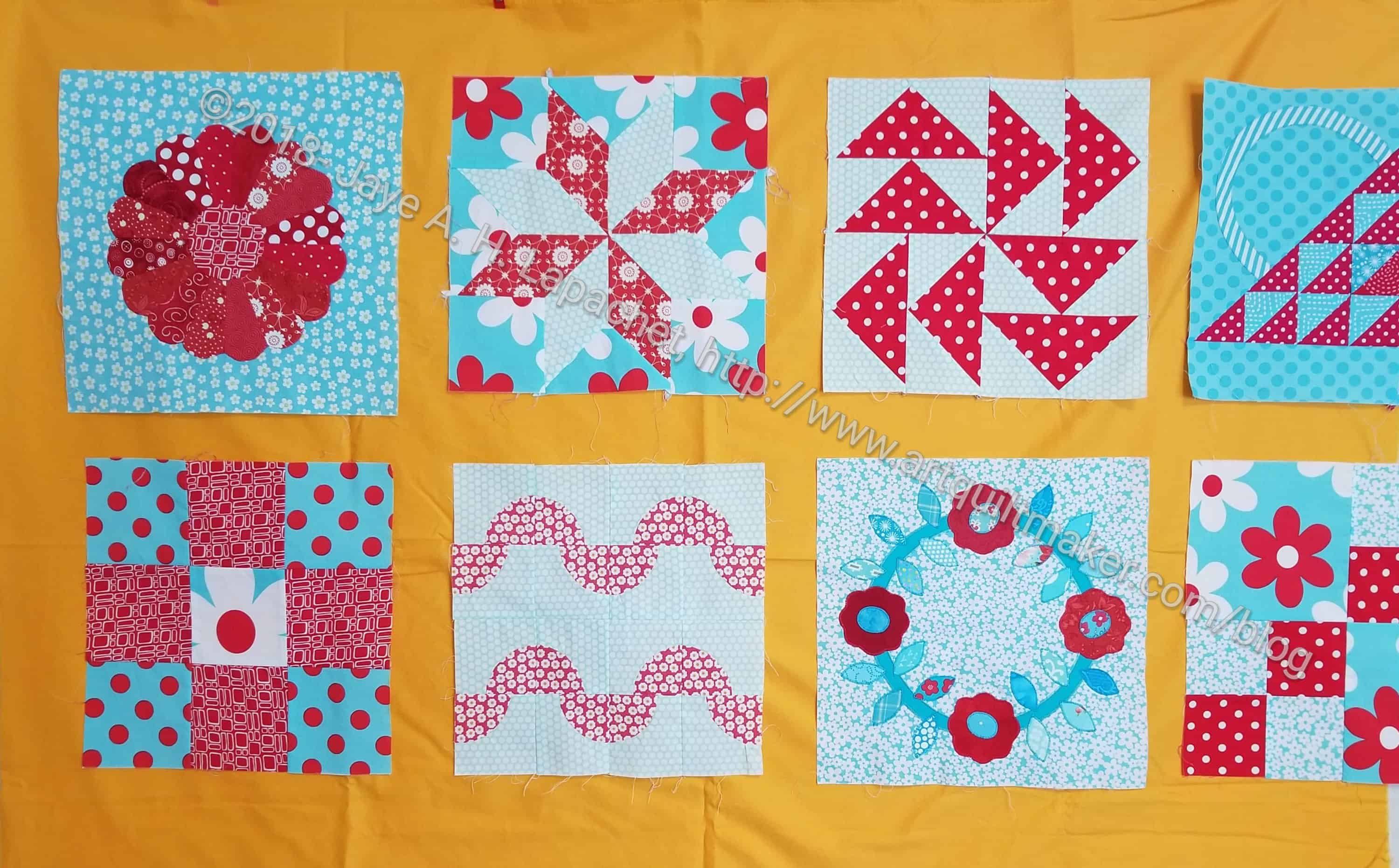
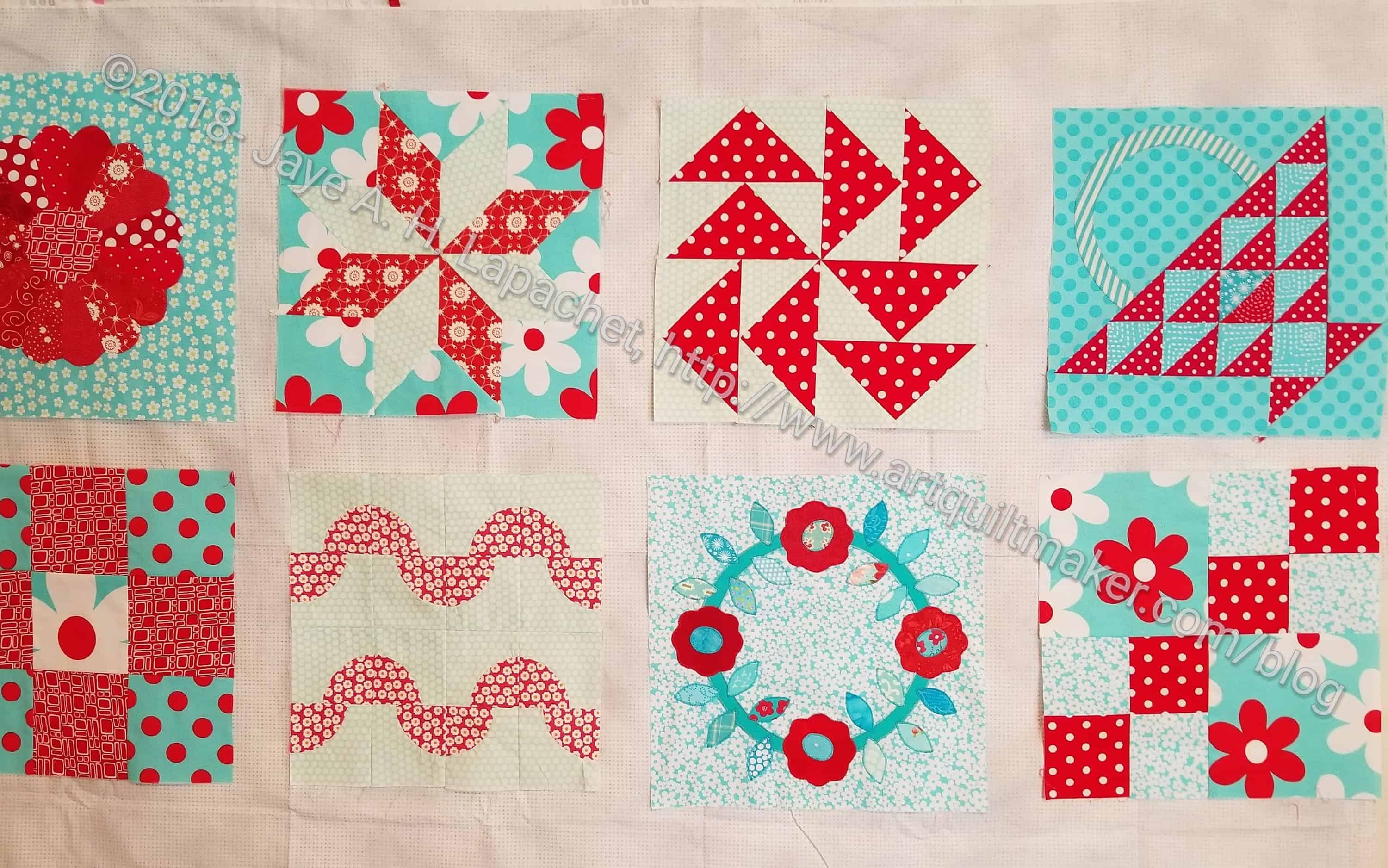
I took some time over the weekend to work on the City Sampler. It is slow going, but I am making progress.
Because of the seam allowance issues and the fact that the blocks are tiny, it is taking me time to sew the whole thing together. I know it is not a race and I have to keep telling myself that.
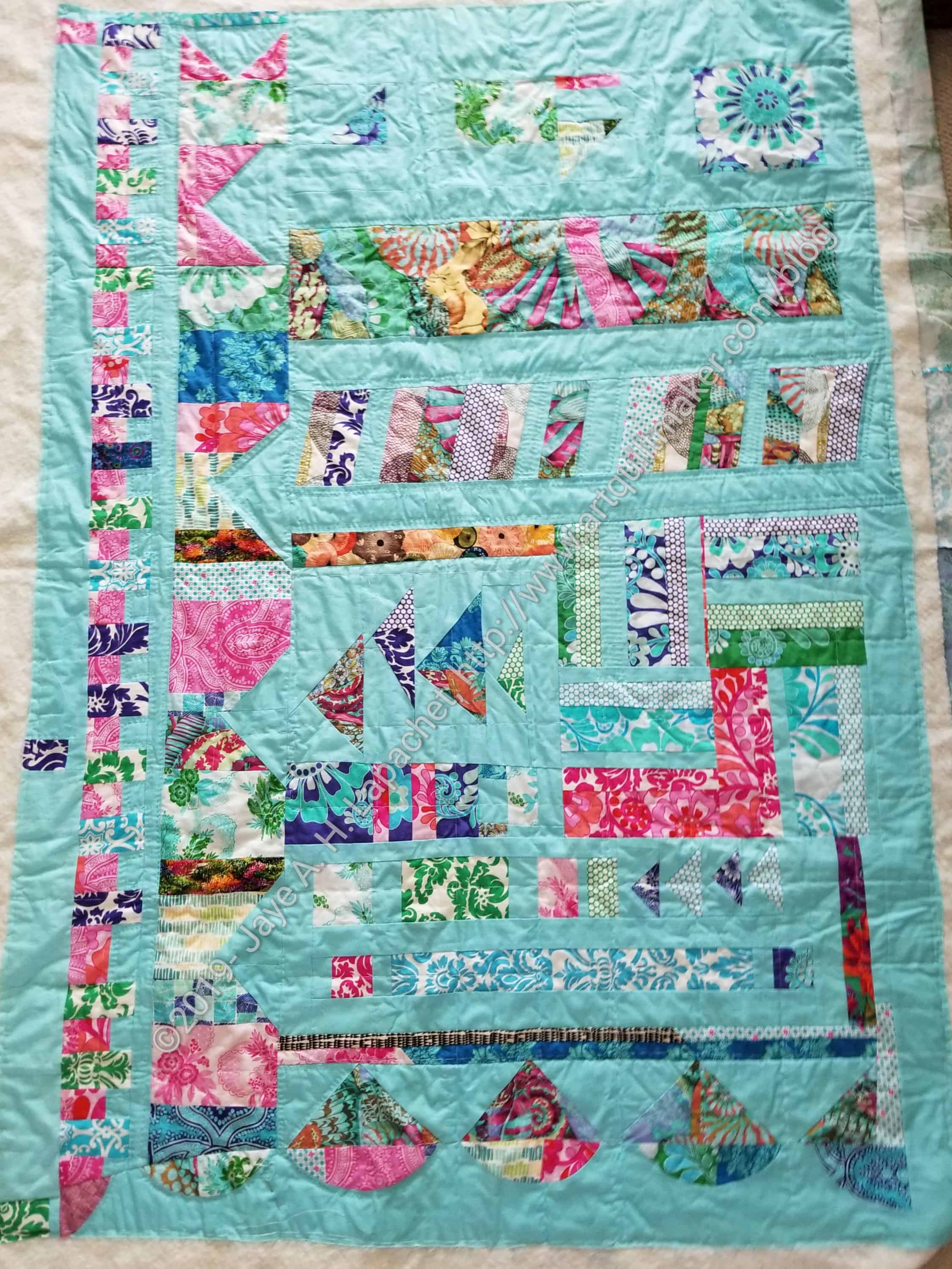
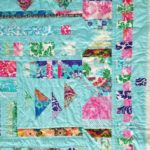
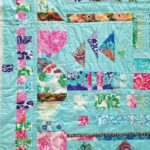
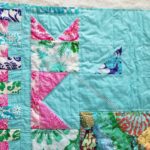
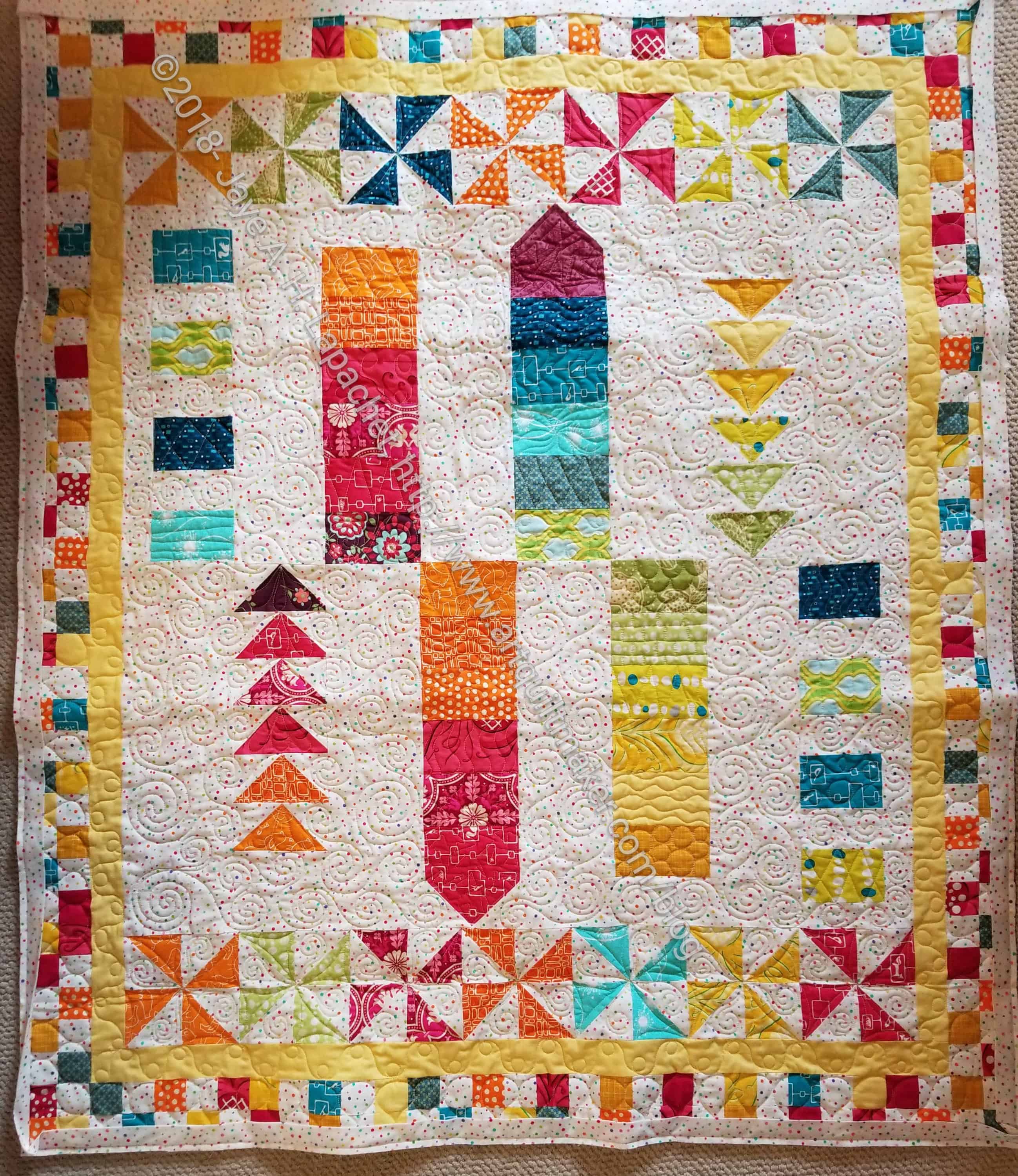
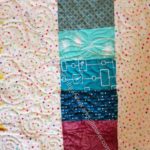
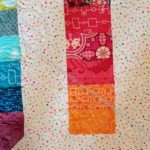
I am a little sick of the Half Hexie Star project, so I switched to Big Stitching the BAMQG IRR. It never ceases to amaze me how much progress I make when I actually work on a project. It has been awhile since I worked on it and it is a nice break from EPP.
I had to get back in the Big Stitch groove, which was difficult. I finally figured out that I couldn’t do it when I was stitching in a seam allowance, because of all the layers. That means I am doing some stab stitching in addition to the Big Stitch.
BAMQG IRR detail, January 2019 n.1
BAMQG IRR detail, January 2019 n.2
BAMQG IRR detail, January 2019 n.3
BAMQG IRR detail, January 2019 n.4
BAMQG IRR detail, January 2019 n.5
One of the challenges I have is what quilting designs to use. Right now I am just echo quilting. I don’t know if I want to do more, if curves will work with Big Stitch or if there are other designs I should use. I haven’t handquilted a lot. When I have done it I have mostly used echo quilting to highlight the block designs. Occasionally, I have used stencils. I’ll have to look at some books and see if I can get inspired.
I am back in the City Sampler saddle. I need a big finish to up my fabric usage numbers. Getting this top done is the first step.
One of the things I mentioned in recent 26 Projects posts was that I had to fix some blocks. I have been working on that and now have only about 20 blocks to go.
I am liking the way the top looks and am looking forward to putting it together.
I am back from 4 trips in 4 weeks. I am hoping I can can get to know my husband again, get back on schedule and get life back to normal. I have finished the last Metroscape block and am ready to start making a quilt top.
Actually, I am ready to do a whole bunch of sewing.
This block is my least favorite. The blue and red, especially the blue don’t see to go with the other blocks. I had 12 different dots and I didn’t want to repeat any, so I used it. We will see how I like it when I put all the blocks on the design wall together.
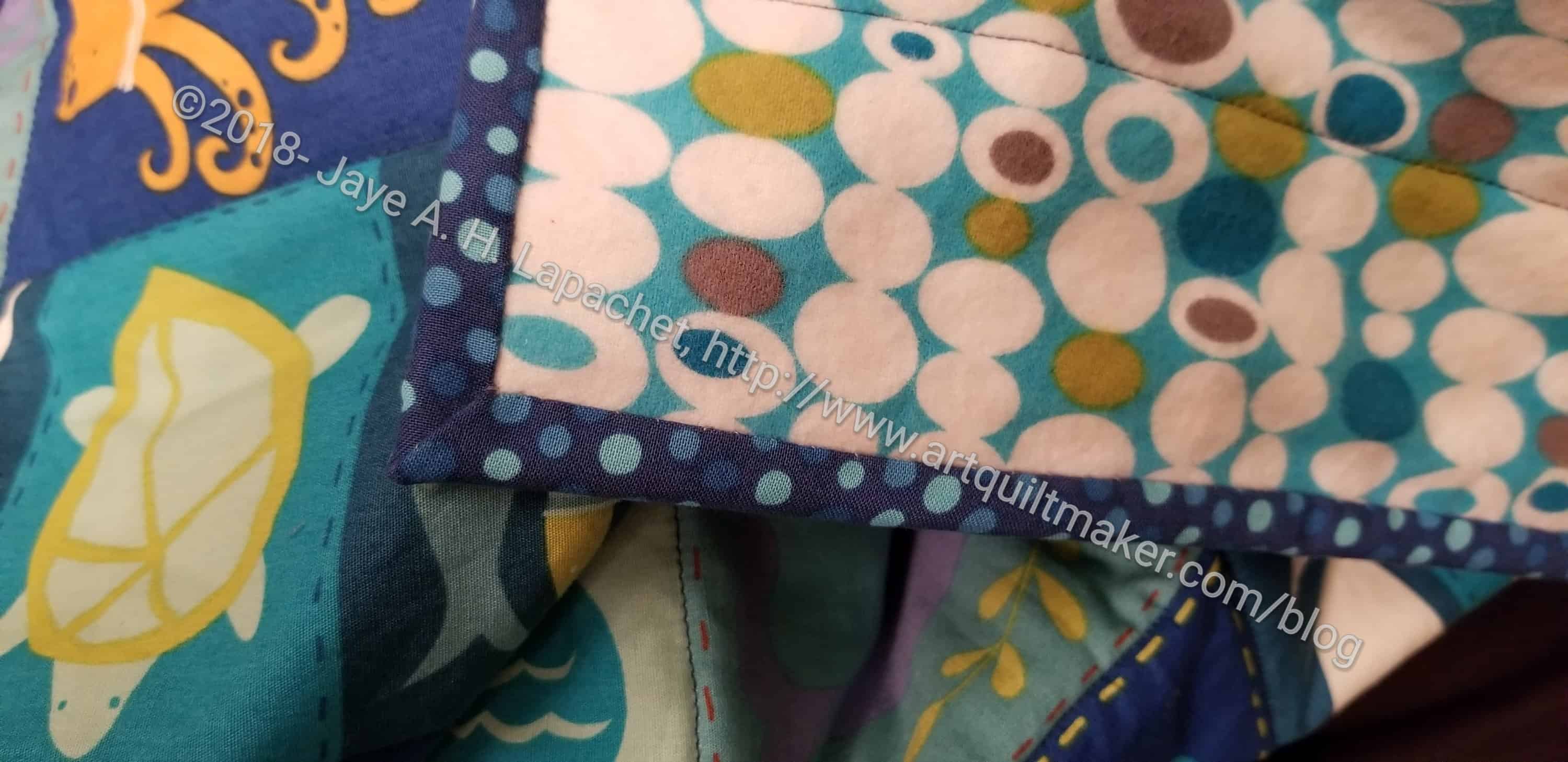
I finished the binding on the Sealife Quilt-let the other night. I still haven’t embroidered my name on the back, but will work on that this evening.
Now I just need someone to take this piece and the BAMaQG Color Round Robin to Austria for me. Or mail it from an EU country. It is much less expensive to do it that way.
I finished another MetroScape block. This is the second to last one and I should be able to get a start on putting the quilt together soon.
I didn’t cut my regular Hunting and Gathering pieces, because I was afraid I wouldn’t have enough fabric for the blocks. I am pleased that I have plenty and will be cutting the pieces I need for various other projects soon.
I started binding the Sealife quilt-let the other day. I made a couple of bindings on a Saturday a week or so ago, so they were ready to go. After finishing off the Christmas mat, I got busy on the quilt-let.
It is going pretty well. I can’t remember the last time I bound a quilt that had flannel as its backing. I like it. The threads sink right into it. It is a little difficult to get the needle in, but not terribly so. Once that is accomplished the stitching goes easily.
I think I forgot to put a label on this one, so I will have to do some hand stitching. It’s been awhile.
I finished another MetroScape block the other day. I am closing in on finishing the blocks and think I am ready to put the quilt together and be done with it.
I am still pleased with the way these pieces are coming out. I am just ready to move on Who Am I? is on my big design wall and it is starting to call to me again.
I finished another block over the weekend. I like the foreground fabric. That light green (sage or light aqua??) is really nice and unusual.
I have 8 of these now and cut the rest of the foregrounds, so I could spread out the colors. I have enough of the dots so that each foreground will be unique unless I decide to make extra blocks. We’ll see how large I want this quilt to be.
As mentioned, I spent a lot of time Saturday afternoon and evening working on the Ends n.6 donation top and back. Before I got to work on that project. I finished the MetroScape block n.5.
I had done most of the work last week, but hadn’t quite has the time to finish.
I am pleased with the way it came out and am liking the look of the Quick Curve Ruler pieces more and more.
It might seem unbelievably boring to see each of these blocks as I put them together. However, they make me so happy that I can’t help sharing.
I am particularly happy with this block. I started out with a cool center, which I love. Adding the dot fabric, which I thought would be warm, fits perfectly. It takes on a warm cast, I think.
I also counted up the dots I have and found 11. That is one short of those needed for the number of blocks in the pattern. I don’t mind repeating one, but I may make more blocks, which means I will have to repeat others. Stay tuned.
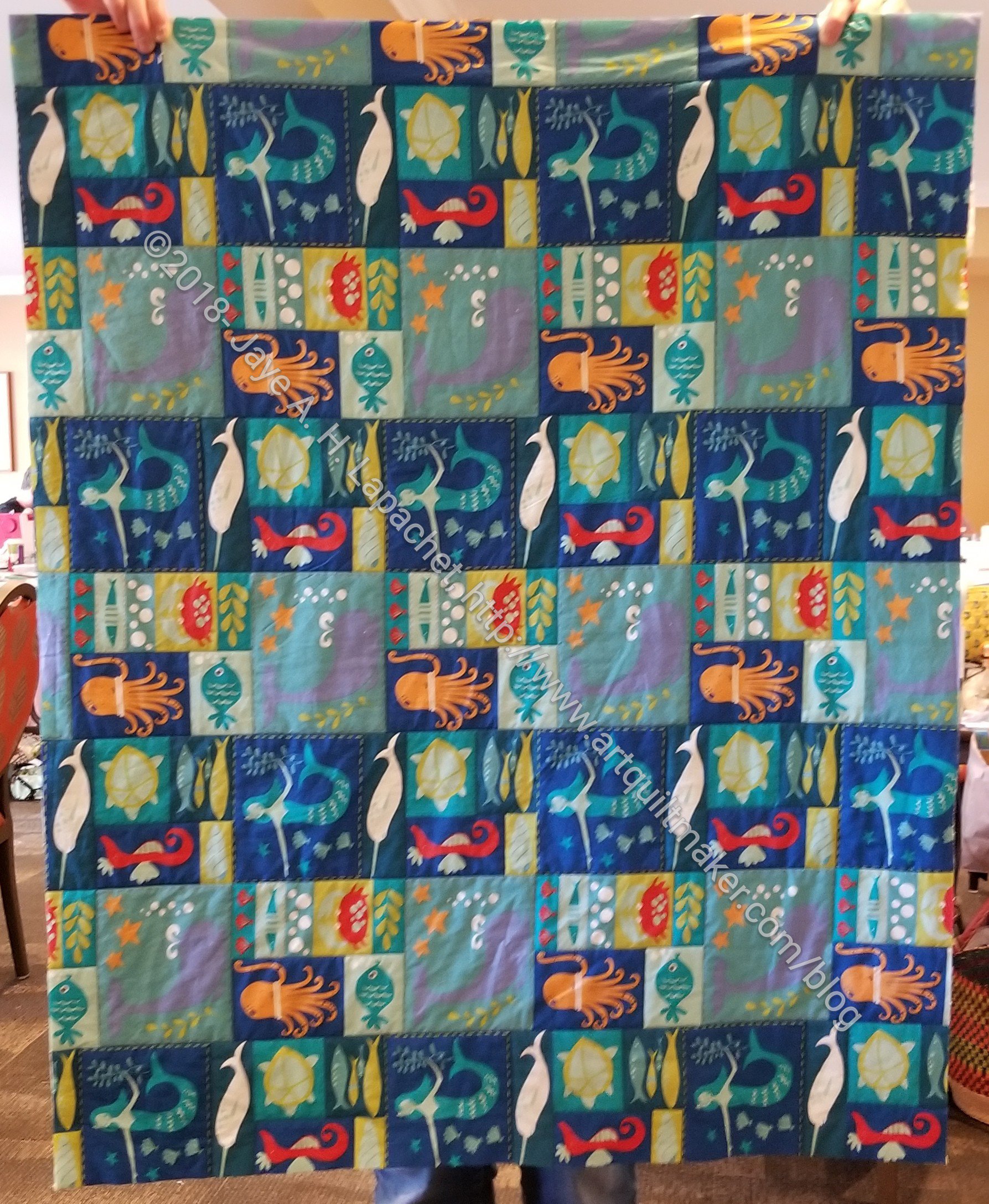
This Sealife quilt-let started as a piece of fabric I bought at PIQF. Perhaps I bought it last year?
I bought this piece of fabric to make a quilt for my friend’s grandchild. Since I was giving his granddaughter the BAMaQG Color Round Robin, I couldn’t very well leave her older brother out. I wasn’t up for a full on boy quilt and this piece of fabric seemed to be a good compromise.
I call this a quilt-let, because there is no piecing. I don’t know if there is another name for this type of work, so quilt-let it is.
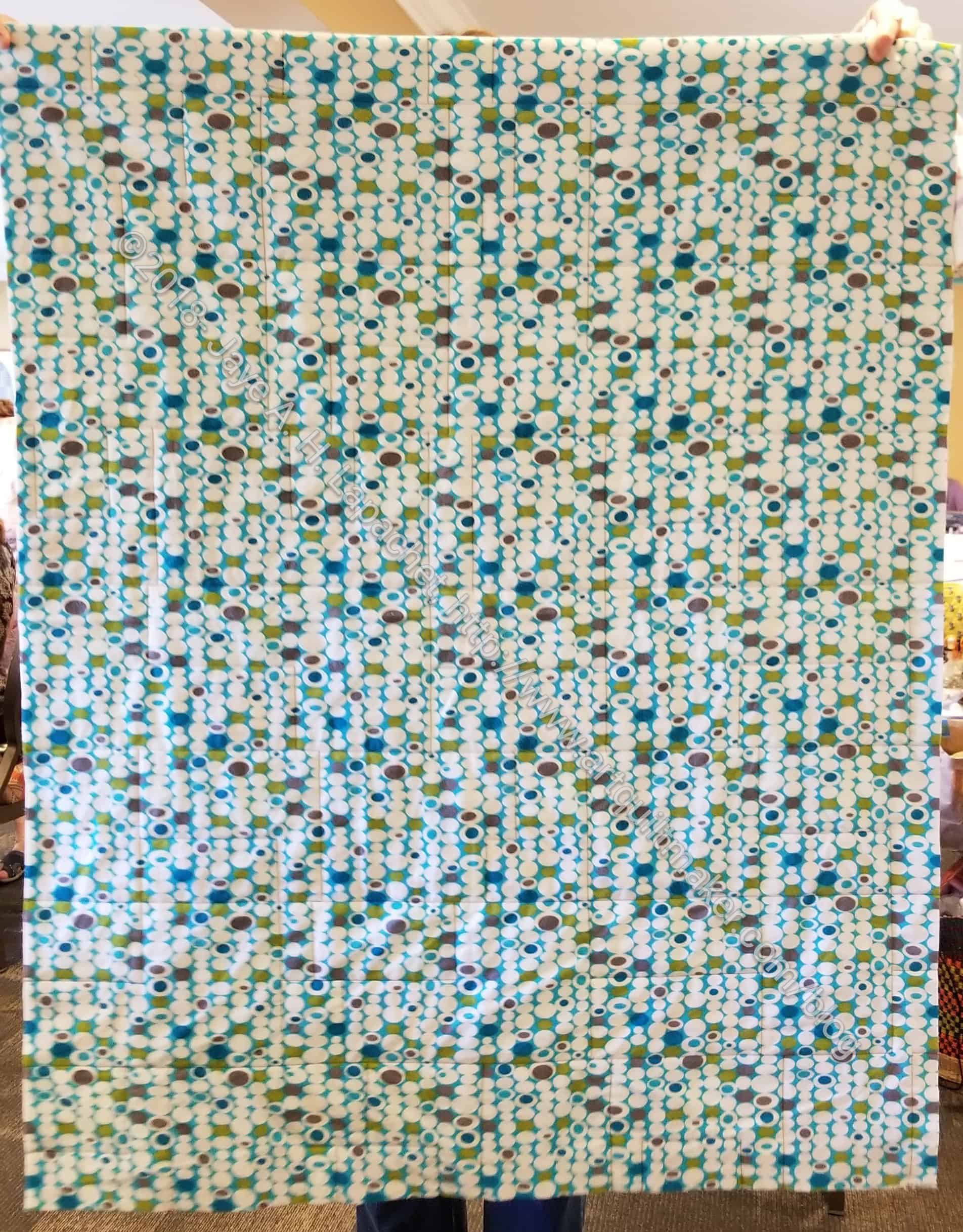
Sealife quilt-let back
After basting it in my hotel room on Friday night, I spent most of Saturday quilting the piece using some flannel for the back. I used the lines on the fabric to guide my quilting.
I have to make a binding and sew that on. I didn’t bring fabric to do that so that is a task for another day.
I am not sure this project was on any of my project lists, which means I can’t cross it off. Still, the fabric has been laying around my workroom and now it will be finished so and off to its new home.
Along with the Octagon 9 Patch, the BAMaQG Color Round Robin came back from my quilter. I really like the quilting. There are different motifs in most of the non-background areas. I have to sew down the binding and then send it off to its new owner.
I don’t dislike this quilt, however it is not a favorite. I do really like the quilting that Colleen did.
The bits in each of the areas with printed fabric look great.
It was back in May that I finished preparing the Octagon 9 Patch for quilting and July when I took it to Colleen. The child has returned and the quilting looks fabulous. There is something about not seeing a quilt for awhile that makes it that much nicer. Also, being almost finished is wonderful, too.
Sadly, Colleen hurt her hand and she didn’t get to the Stepping Stones before she did it. I don’t know how badly, but I know she isn’t quilting for awhile. Hopefully, not too long. I am continuing to sew! (as you probably noticed)
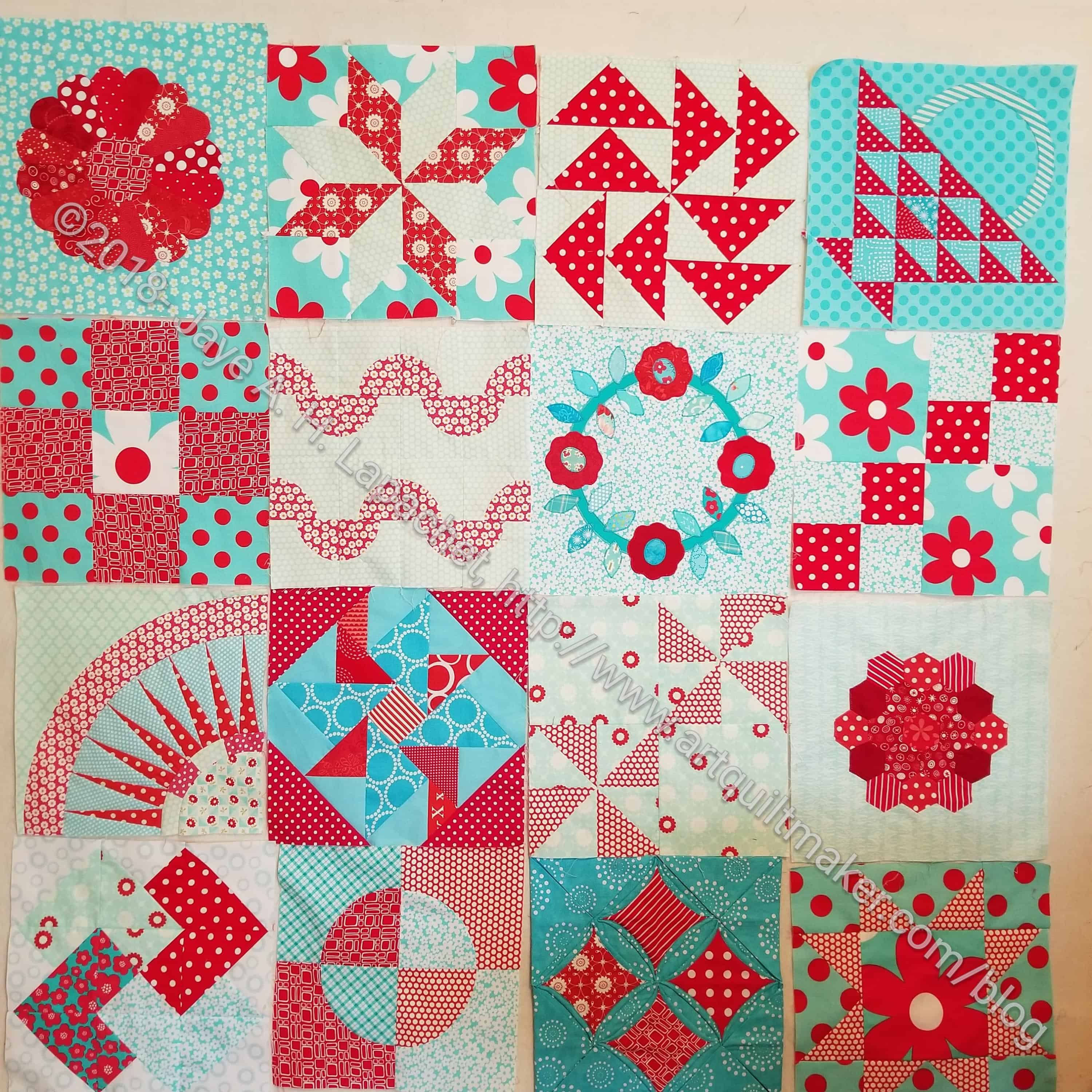
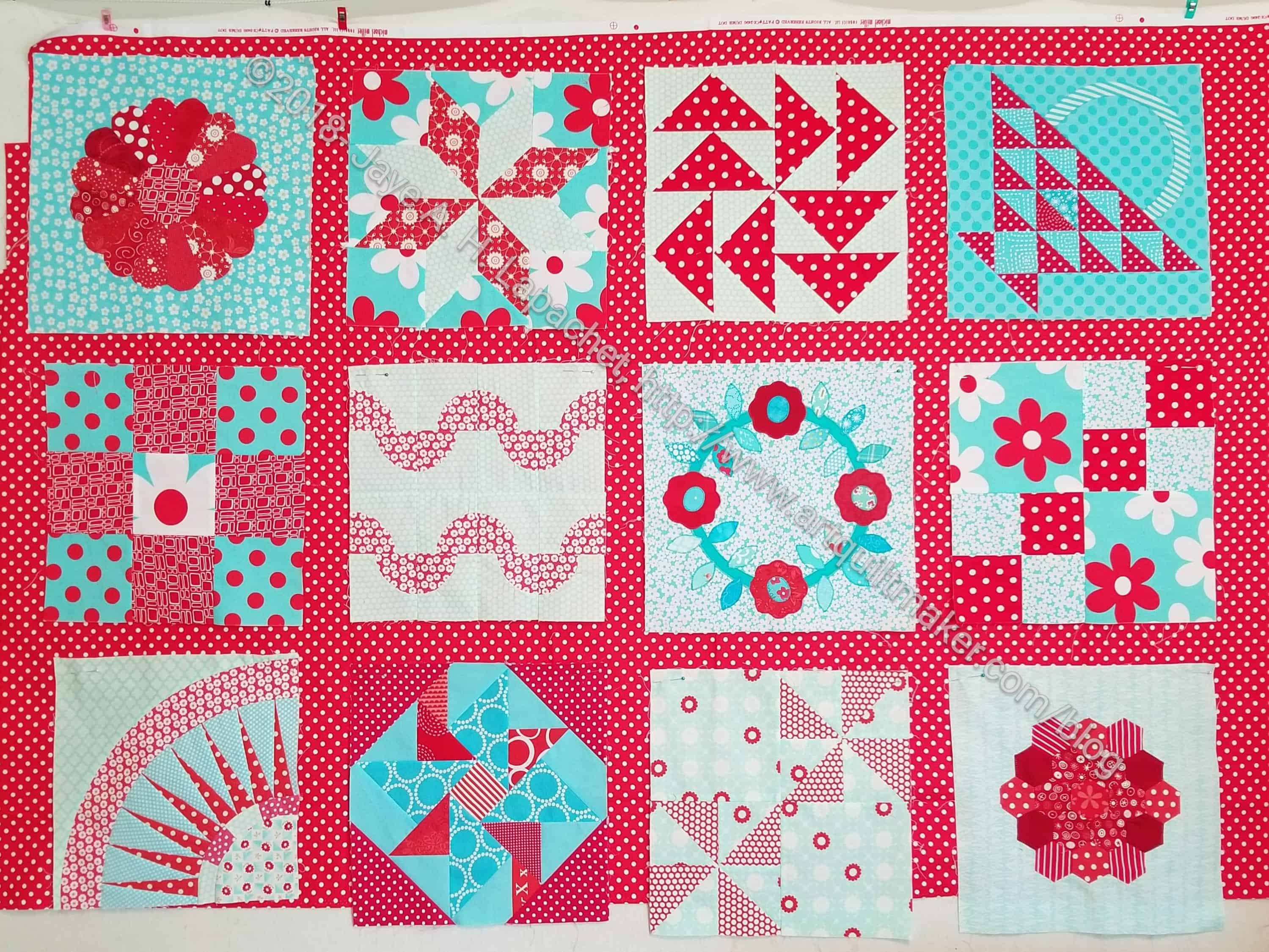
As part of the Sampler Quilt Class and other tutorials I have on this site, I want to add one about putting a quilt together. I thought it would be good to include information about sashing at the same time. Since I have been using this quilt to write the Sampler quilt posts, I thought I would use it to create the latest tutorial.
Process can be a difficult mistress (boy toy??) and she had both fangs and talons out for me on Sunday. I really wanted to just piece a bunch of stuff together, so I took Who Am I? off the design wall and started checking out sashing options for the Aqua-Red Sampler. I thought this would be a relatively easy task and I would be sewing in no time.
HA! I should never think that.
I started off thinking that the version above with no sashing just wasn’t quite right. I have a stack of fabrics that I keep for backs and sashing (larger pieces) so I started to look through them and try them out.
I always use Lorraine Torrence’s rule to “make visual decisions visually”. Well, when I do that I usually get good results. When I don’t, I ruin the quilt.
Sample Sashing n.1
I pulled out the most likely option and pinned some blocks up on my design wall (2 layers of fabric don’t stick). You can see how optimistic I was that this would work based on the number of blocks I put up. It isn’t terrible, but I didn’t like the way the red was interacting with some of the reds in the blocks.
Sample Sashing n.2
I thought maybe some blue and I have a nice turquoise solid that I got out. Not terrible, but nowhere near great either. The blocks with the lighter blue backgrounds stick out like sore thumbs and the blocks with the medium blue backgrounds wash out. I wasn’t daunted yet.
Sample Sashing n.3
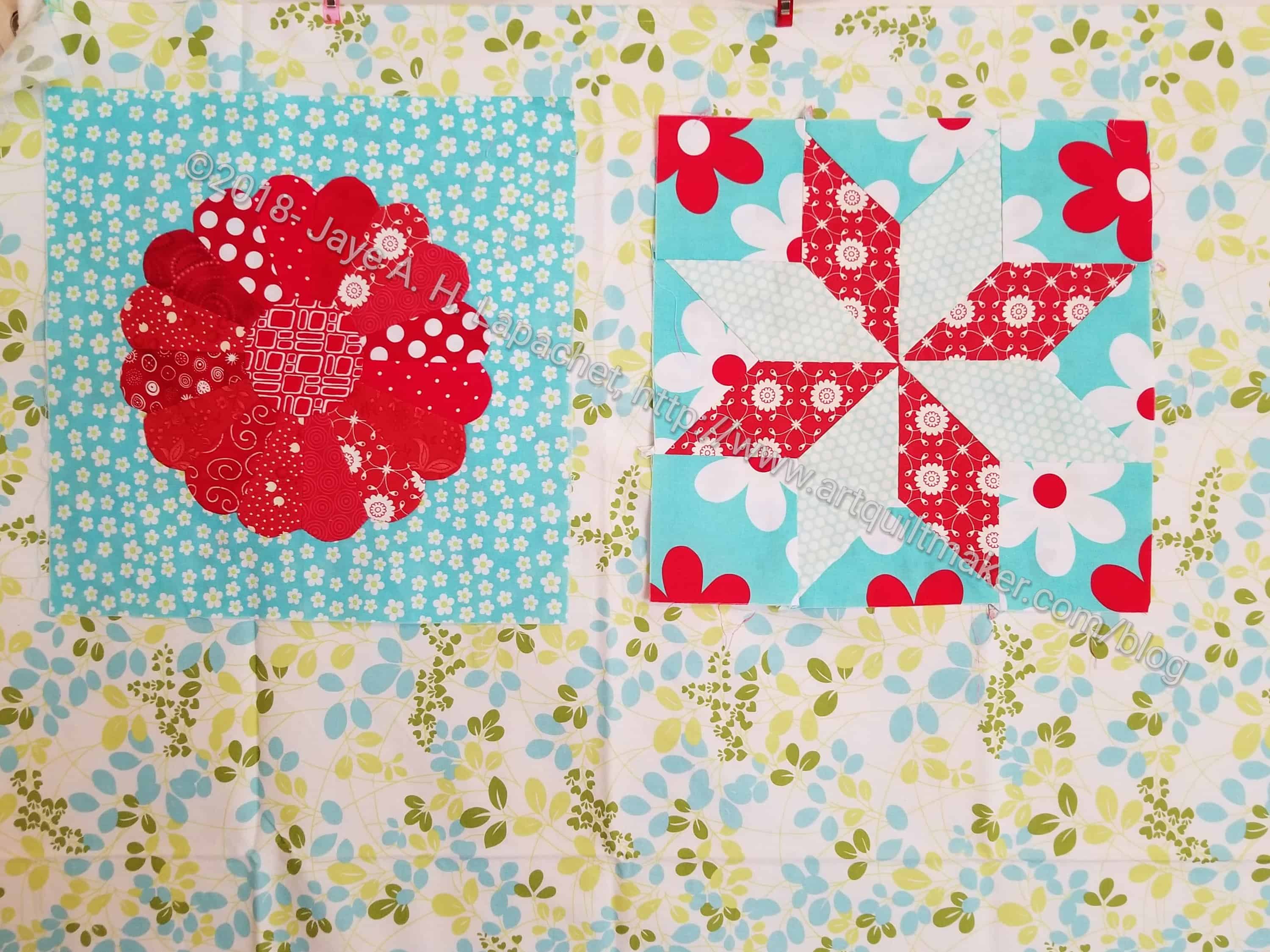
I thought maybe I should introduce a new color. I know I wanted this to be a, basically, two color quilt, but I started to think, perhaps, that there was no way to keep that dream alive with the two colors I had chosen. I thought about the green in Stepping Stones n.2 and I picked out a nice floral without flowers that included that green plus the blue.
Hideous.
Sample Sashing n.4
I couldn’t yank that fabric off the design wall fast enough. It made me think of my man, Phil, though. I tried one of his prints. Also hideous. Well, not hideous, but it really didn’t work. The blue was wrong. The pink was wrong. It looked messy and slapped together.
Sample Sashing n.5
I decided to try some white. It wouldn’t be my first choice because it is too predictable, but I was starting to feel desperate. Just a little. The white is wrong, too. I am not sure why, but it doesn’t add anything. It was too white as well, as if THAT makes any sense.
Sample Sashing n.6
Since I liked the dots and was still thinking the white might just too white, so I pulled out a different dot and tried to like it. It isn’t terrible. It does add a bit to the whole piece, but the black dots just aren’t right. There is none of that fabric in the whole piece. I put it aside as a possibility.
Sample Sashing n.7
Still thinking dots would work, I pulled out a different red dot print. The red wasn’t exactly the shade I would have chosen if I had all the fabric in the world, but the dots were larger and that was promising. Also, not terrible, but also not exactly right.
By this time, I was starting to feel disheartened and needed some input so I posted to Instagram to get some feedback. People were very kind and had some good ideas.
Sample Sashing n.8
One person suggested navy, which might work, but I don’t like navy much and don’t have any navy fabric – yardage, at least. I might have some scraps. Amanda suggested yellow. I had a nice sunshine-y orange, which I just thought I would try to see. Not terrible, but not right either. It came across as gold in the photos (even the one above, I think). You remember the hunt for yellow in which I engaged for the basket quilt? I really didn’t want to go out and buy fabric. I really felt I had to have something that would work.
Sample Sashing n.9
I found some cherry fabric, again by my man, Phil, and thought I would try it. The first Philip Jacobs option was still on my mind. I wasn’t ready to give up on him again. This fabric is actually okay. I think ‘okay’ is a step above ‘not terrible’. Still it didn’t scream YES! at me.
Much more sighing went on.
Sample Sashing n.10
My last option for the day was a grey. I was not hopeful. I really wanted to sew and I had used most of my sewing time on an unsuccessful attempt to choose some sashing.It didn’t work. It doesn’t look much better than the white
I gave up and went to sew the latest donation quilt. I am starting to think this quilt does not want sashing and I’ll have to make the tutorial with another quilt.